Welcome to Linhua Chemical Co.,Ltd.

Share:


Product Details
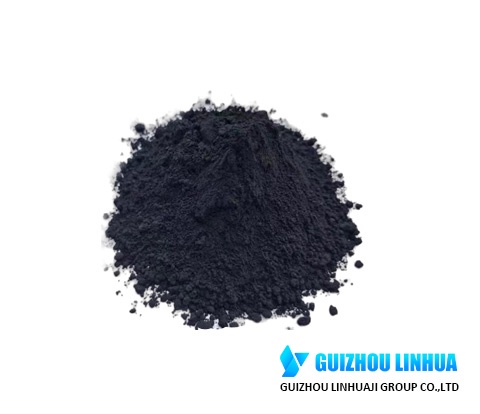
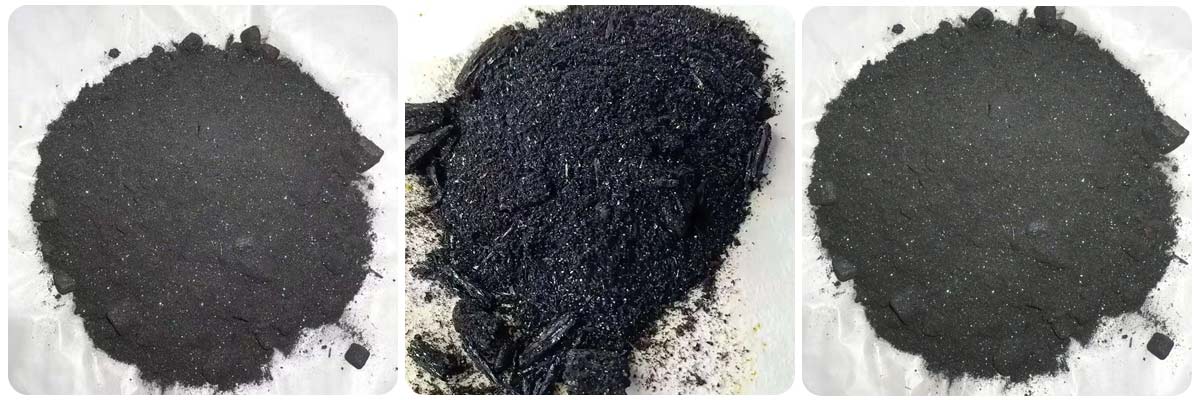
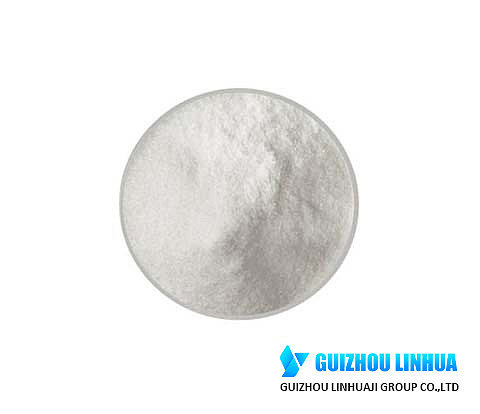
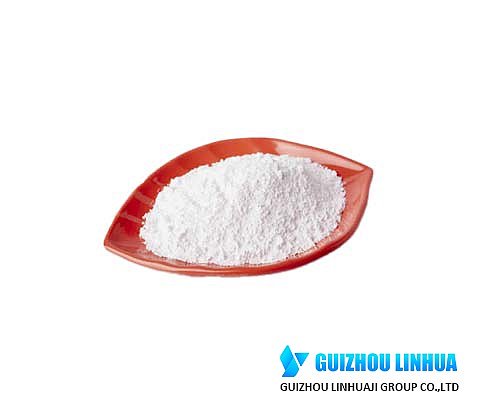
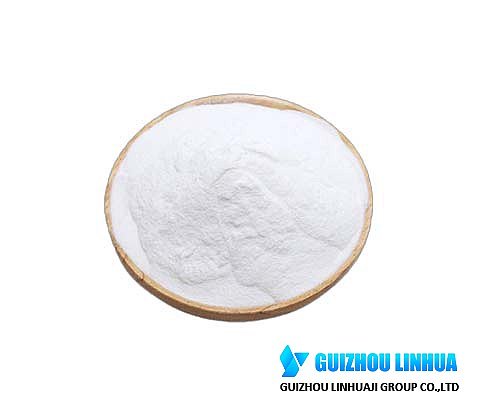
Iron(III) chloride (chemical formula: FeCl₃, molecular weight: 162.20), also known as trichloride iron or ferric chloride, is a covalent inorganic compound. In its anhydrous form, it appears as black-brown crystals or thin sheets under standard conditions. It is a very important basic chemical in industrial production and is mainly used as a water treatment coagulant, a circuit board etching agent, and a catalyst in organic synthesis.
Advantageous features
Extremely strong flocculation and sedimentation capabilities: When ferric chloride dissolves in water, it undergoes hydrolysis, generating iron hydroxide colloids. These colloids have a huge specific surface area and extremely strong adsorption capacity, which can effectively adsorb suspended particles, colloidal impurities, and phosphates in water. The formed flocs are heavier and easier to settle than those of alum and other flocculants.
Moderate oxidizing property: As a moderately strong oxidizing agent, Fe³⁺ can undergo redox reactions with metals such as copper (Cu) and iron (Fe). This characteristic makes it an ideal choice for etching copper plates (PCB) in the electronics industry, with fast reaction speed and easy control.
Lewis acid catalysis: Anhydrous ferric chloride is a commonly used Lewis acid that can efficiently catalyze a variety of organic chemical reactions, such as chlorination and Friedel-Crafts alkylation/acylation reactions.
Hygroscopicity: Ferric chloride has a strong hygroscopic property. When exposed to the air, it will rapidly absorb moisture and undergo deliquescence. This property is both a challenge during storage (it needs to be sealed) and an advantage for its rapid dissolution in water.
Main Uses
Water treatment field
Sewage purification: Coagulation and sedimentation for domestic sewage and industrial wastewater, to remove heavy metals and suspended solids.
Phosphorus removal: In urban wastewater treatment plants, it is widely used for chemical phosphorus removal, generating iron phosphate precipitation to remove phosphorus.
Drinking water treatment: Used to treat high turbidity source water and employed as a coagulant.
Electronics and Metal Processing
PCB Etching: In the manufacturing of printed circuit boards (PCBs), it is used to etch the copper clad board to form fine circuit patterns.
Metal etching: A process used for surface etching and pattern treatment on metals such as stainless steel and titanium alloys.
Chemical Catalysis and Synthesis
Catalyst: As a catalyst in organic synthesis, it is used to produce dichloroethane, vinyl chloride, etc.
Analytical reagent: In the laboratory, it is used for colorimetric analysis of phenolic substances (where phenols undergo a color reaction with Fe³⁺).
Other applications
Dyeing: It is used as a mordant in the textile industry to help the dye adhere to the fibers; it is also used as an oxidizing agent.
Construction: Used as an additive in concrete to enhance its corrosion resistance and water resistance.
Pharmaceuticals and pigments: Used in the production of iron-based pigments (such as iron oxide red) and certain pharmaceutical raw materials.
Safety, Storage and Transportation
Hazard classification: Classified as Class 8 corrosive substances (dangerous goods). UN number: 1773 (solid) or 2582 (solution).
Health hazards:
Corrosiveness: It has strong irritancy and corrosiveness to the skin, eyes and respiratory tract. Contact can cause severe chemical burns.
Inhalation hazards: Inhaling the dust can damage the mucosal tissues and cause chemical pneumonia.
Environmental impact: Toxic to aquatic organisms. Direct discharge into natural water bodies should be avoided.
Operation and Storage Recommendations:
It must be operated in a dry and well-ventilated environment.
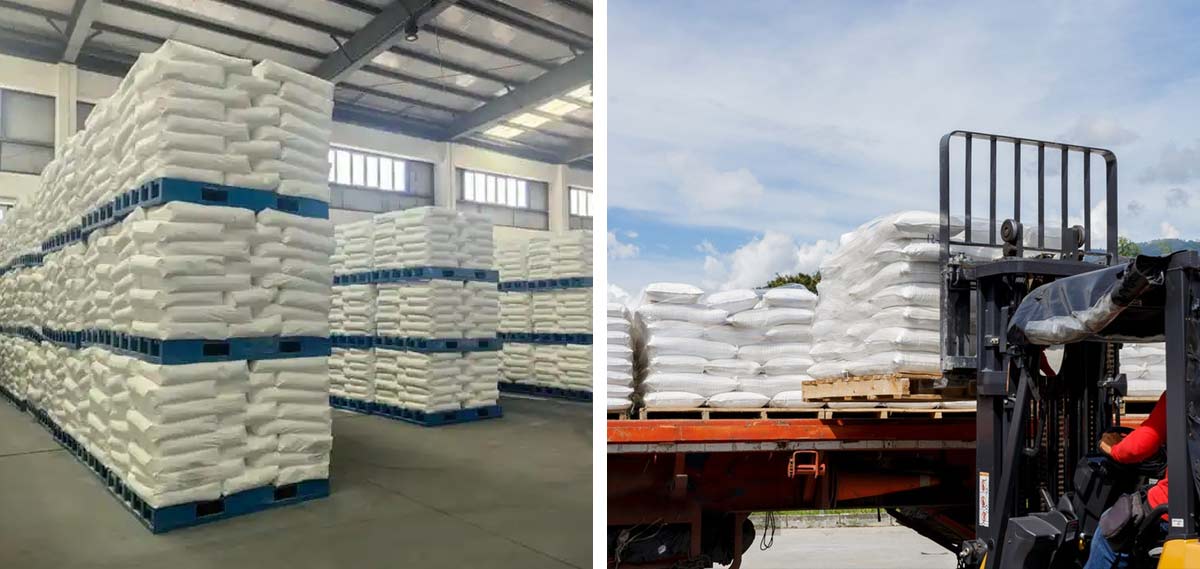
The storage container must be tightly sealed to prevent moisture absorption.
Do not store together with strong oxidants or active metal powders (such as potassium and sodium) to prevent violent reactions or explosions.
Operators must wear rubber gloves, chemical safety goggles and protective clothing.
Emergency measures:
Skin contact: Immediately remove contaminated clothing and rinse with plenty of water for at least 15 minutes.
Eye contact: Open the eyelids, rinse with flowing water or normal saline, and seek medical attention immediately.
Message mailbox
Every interaction counts!
Thank you for your interest in Pearl Electric.
We welcome all enquiries from customers and clients.
If you have questions about our products or services or general enquiries, please reach out to us via the contact form provided. We will respond to your query as soon as possible.
You may also follow and reach out to us on our social media pages.
