Welcome to Linhua Chemical Co.,Ltd.

Share:


Product Details
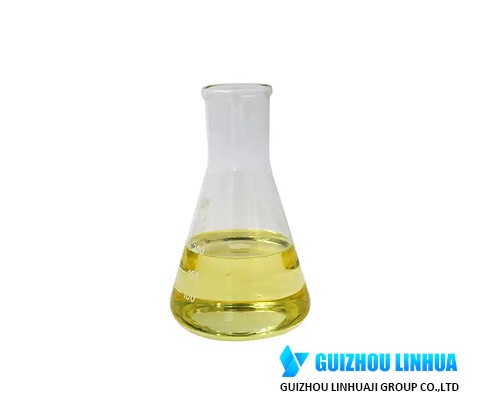
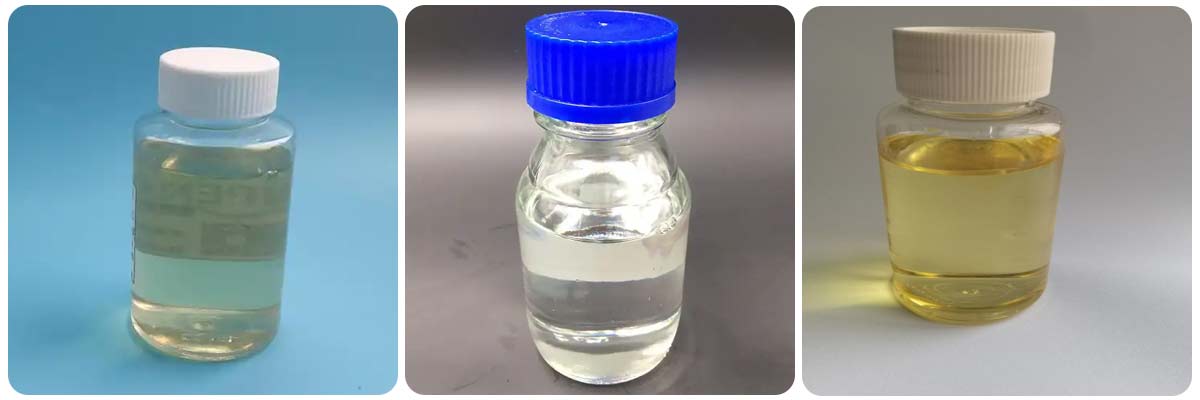
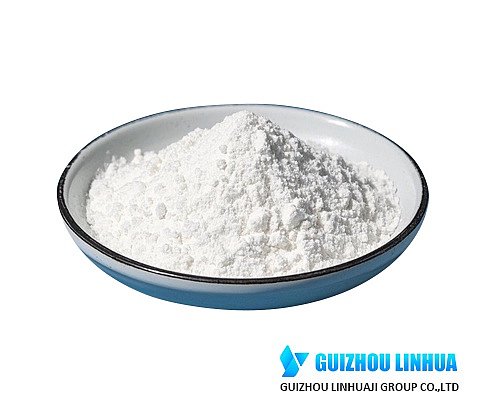
1,2-Benzothiazole, also known as benzod[6]thiazole, has its core structure formed by the combination of a benzene ring and a five-membered heterothiazole ring containing sulfur and nitrogen. It belongs to a class of heterocyclic frameworks with "drug-like" properties. It should be noted that due to the different numbering conventions of its structure, this compound has two different isomers with different designations in the literature, namely CAS 271-61-4 and CAS 272-16-2. Among them, 271-61-4 is usually referred to as 1,2-benzothiazole.
Basic information parameters
Structure and Characteristics
Reactive active center: The sulfur and nitrogen atoms in the molecule form the active site, which can undergo various chemical modifications, such as oxidation and electrophilic substitution. It is an excellent organic synthesis building block.
Electronic properties: Its aromatic heterocyclic structure endows it with certain rigidity and electronic delocalization characteristics. When it binds to specific receptors (such as proteases, kinases) in the body, it often exhibits high affinity.
Stability: It is relatively stable under normal storage conditions, but it may undergo ring-opening reactions in the presence of strong acids or strong bases.
Advantageous features
Broad-spectrum biological activity: Its derivatives exhibit significant antibacterial, antifungal, antiviral and anticancer activities. For instance, some derivatives have an MIC value as low as 32 µg/mL against Staphylococcus aureus, and have inhibitory effects on Candida albicans.
Plant defense induction: In agricultural applications, it is not only a direct fungicide but also an efficient plant stimulant. It can induce plants to develop systemic acquired resistance (SAR), by activating the plants' own defense mechanisms (such as the salicylic acid synthesis pathway) to resist diseases.
Low toxicity trend: Compared with traditional anti-microbial agents such as pentachlorophenol sodium, 1,2-benzisothiazole compounds (especially BIT type) have lower acute toxicity to mammals and better environmental compatibility, and belong to relatively mild industrial fungicides.
Main purpose
Pesticides/Agricultural Field
Fungicides/Plant Growth Promoters: It is a key intermediate for synthesizing new plant disease control agents. The related derivatives have significant control effects on rice sheath blight, wheat awns blight, cucumber downy mildew, cucumber anthracnose, etc., and are unlikely to cause harmful effects on crops.
Insecticide: A sulfonamide compound used as the main component for developing agents to control animal pests (such as agricultural pests).
The field of medicine
Drug discovery: As the core framework, it is used to design and synthesize molecules with potential therapeutic effects, especially in the development of new antibiotics, antifungal drugs, and anti-tumor drugs.
Industrial sector
Industrial mold prevention: Its oxidative derivatives (such as 1,2-benzothiazolin-3-one, BIT) are important industrial preservatives and are widely used in water-based coatings, adhesives, latexes, papermaking, and metal cutting fluids, among other fields.
Chemical Synthesis
Organic synthesis intermediates: As heterocyclic building blocks, they are used to construct more complex organic molecules and functional materials.
Message mailbox
Every interaction counts!
Thank you for your interest in Pearl Electric.
We welcome all enquiries from customers and clients.
If you have questions about our products or services or general enquiries, please reach out to us via the contact form provided. We will respond to your query as soon as possible.
You may also follow and reach out to us on our social media pages.
