Welcome to Linhua Chemical Co.,Ltd.

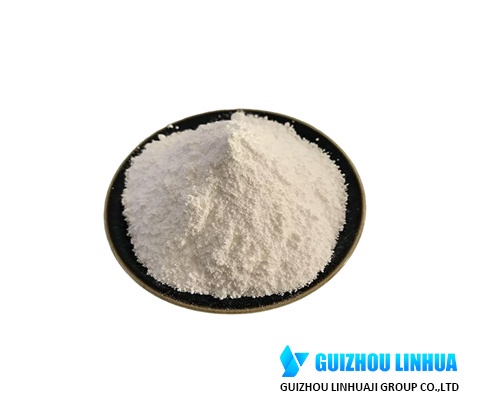
It is widely used in industry, laboratories and daily life. It is an excellent inorganic desiccant, de-icing agent and refrigerant. Its CAS number is 10043-52-4 and its EINECS number is 233-140-8.
Share:


Product Details
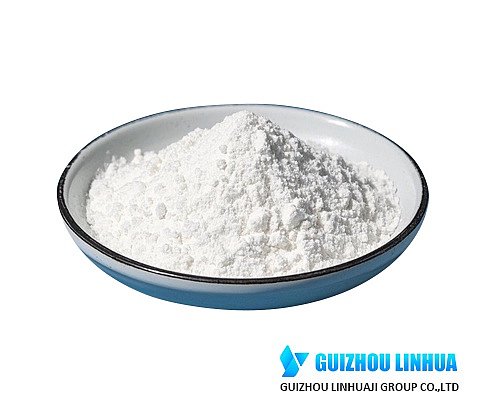
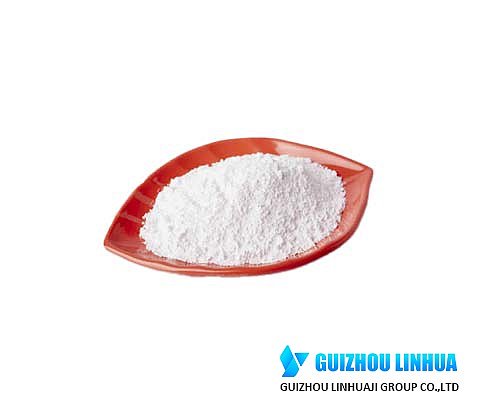
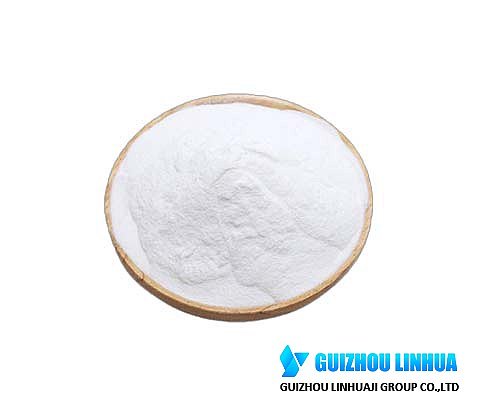
Anhydrous calcium chloride (Calcium Chloride Anhydrous) is a typical ionic halide composed of chlorine and calcium, with the chemical formula CaCl₂. At room temperature, it exists as white crystals, granules, molten blocks or powder-like solids, and has a slightly bitter taste. It has extremely strong hygroscopicity and is prone to deliquescence upon exposure to air, so it needs to be stored in a sealed container.
It is widely used in industry, laboratories and daily life. It is an excellent inorganic desiccant, de-icing agent and refrigerant. Its CAS number is 10043-52-4 and its EINECS number is 233-140-8.
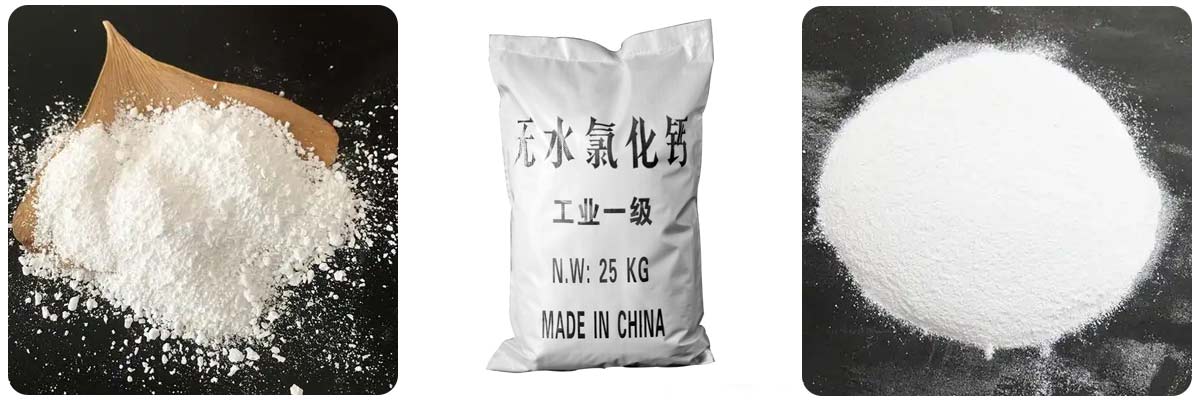
Physical Properties
High Hygroscopicity and Deliquescence: This is the most distinctive characteristic of anhydrous calcium chloride. It can absorb moisture from the air, first forming a hydrated substance on the surface (such as CaCl₂·2H₂O), and eventually completely deliquesce into a solution.
High dissolution heat:It is extremely soluble in water and releases a large amount of heat during the dissolution process.
Wide solubility range: Besides water, it is also soluble in organic solvents such as ethanol, acetone, acetic acid, formic acid, etc.
Solution characteristics: Its aqueous solution is weakly alkaline (pH 8-10, 100g/L, 20°C), and has an extremely low freezing point (used as a freezing brine).
Chemical Stability
Stability: It remains stable under dry and normal temperature conditions. However, it may undergo intense reactions or become incompatible when exposed to water, strong acids, zinc, or methyl vinyl ether and other substances.
Thermal stability: Although the melting point is as high as approximately 772°C, during the dehydration heating process, the hexahydrate undergoes complex processes such as dissolution and water loss, eventually transforming into an anhydrous form.
Core Advantages
Superb drying capacity: Compared with silica gel and molecular sieves, anhydrous calcium chloride has a higher moisture absorption rate, capable of reducing the moisture content in gases or solvents to extremely low levels.
Economical and practical: As a de-icing agent and antifreeze, it has a relatively low cost and remarkable effectiveness, capable of significantly lowering the freezing point.
Multifunctionality: A single product can be applied simultaneously in various fields such as drying, dehydration, snow melting, solidification, and refrigeration, demonstrating extremely strong versatility.
Acceleration effect: In the construction industry, it can significantly accelerate the hardening process of concrete, enhance the early strength, and shorten the construction period.
Main purpose
Field of Drying and Dehydration
Gas drying: Used for drying industrial gases such as nitrogen, oxygen, hydrogen, and hydrogen chloride.
Organic solvent dehydration: It is used as a dehydrating agent during the production of alcohols, ethers, esters and acrylic resins to remove water from the organic phase.
General laboratory item: Commonly found in drying cabinets, it is an efficient desiccant.
Environmental Protection and Public Services
Road de-icing agents: Used to melt snow and ice on roads, they are one of the most widely used de-icing agents at present.
Dust removal and anti-freezing: Used as a dust collector for road surfaces and an anti-fog agent for ports.
Construction Industry
Concrete Additives: As a freeze-resistant agent and early-strength enhancer, they accelerate the hydration reaction of concrete, increase the early strength, and enhance the cold resistance of cement mortar in low-temperature environments.
Refrigeration and Energy
Chilled brine: A solution prepared for use in the cooling system of refrigeration machines and equipment.
Oil well drilling: The completion fluids and additives used for drilling oil wells.
Food and Biology
Food processing: Used as a coagulant for soy products (such as tofu), a texture enhancer for canned foods, and a food preservative.
Biochemical experiments: The culture medium used for haploid breeding, as well as the determination of carbon content in steel, glucose in whole blood, etc.
Metallurgy and Others
Metallurgical protectants: As protectants and refining agents for aluminum and magnesium metallurgy, they prevent metal oxidation.
Precipitant: A precipitant used in the production of color pigment powders.

Safety and Storage
Hazard
Skin/Eye Irritation: There is irritation to the skin and eyes. Contact can cause discomfort and even corrosion and burns (classified as Xi, R36).
Heat release risk: When dissolved in water, it releases a large amount of heat. If not handled properly (such as directly adding a small amount of water), it may cause splashing and burns.
Storage Conditions
Sealed and Moisture-Proof: The product must be stored in a cool, ventilated, and dry warehouse. The container must be tightly sealed to prevent exposure to the air and moisture, which could cause it to become damp and clump.
Isolated storage: It should be stored separately from zinc, strong acids, flammable substances and oxidants, etc.
Emergency Response
Skin Contact: Immediately remove contaminated clothing and rinse with plenty of flowing water for at least 15 minutes.
Eye contact: Lift the eyelids and rinse thoroughly with plenty of water or normal saline. Seek medical attention immediately.
Inhalation/Eating: Move to an area with fresh air; if ingested, seek medical attention immediately and do not induce vomiting (as it may cause corrosion).
Message mailbox
Every interaction counts!
Thank you for your interest in Pearl Electric.
We welcome all enquiries from customers and clients.
If you have questions about our products or services or general enquiries, please reach out to us via the contact form provided. We will respond to your query as soon as possible.
You may also follow and reach out to us on our social media pages.
