Welcome to Linhua Chemical Co.,Ltd.



Product Details
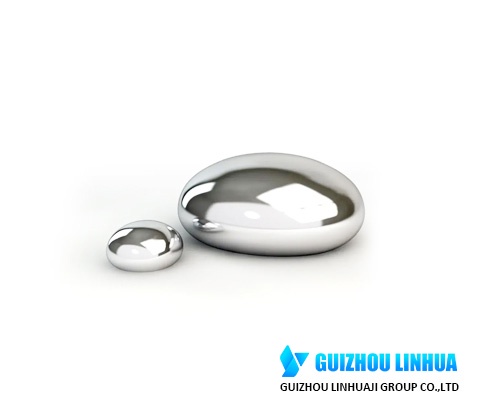
Mercury is a unique and highly toxic metallic element. It should be noted that the CAS number 92786-62-4 is usually included as a secondary or alternative CAS number for mercury, while the most common CAS number for mercury is 7439-97-6.
Name: Mercury
Alternative names: Hydrosilicon, Liquid Silver, Quicksilver
CAS Number: 92786-62-4 (Additionally, there are 7439-97-6, 8030-64-6, etc.)
Molecular Formula: Hg
Molecular Weight: 200.59 g/mol
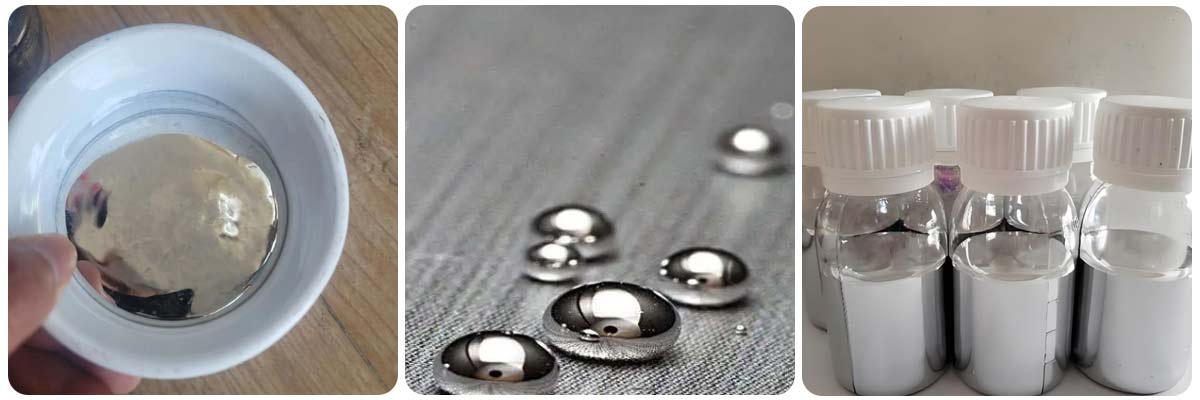
Appearance: Silvery white, highly mobile and luminous liquid, with no special odor.
Mercury is the only metallic element that exists in liquid form at room temperature. It mainly exists in nature in the form of cinnabar (mercury sulfide), and needs to be extracted through smelting.
Parameter indicators
Melting point: -38.9 °C (approximately -38.83 °C), meaning it is a liquid in most normal temperature conditions, but it can solidify in extremely cold weather.
Boiling point: 356.6 °C (approximately 356.7 °C).
Density: 13.534 g/cm³ (at room temperature). The density is extremely high, allowing the iron ball to float on the surface of mercury.
Vapor pressure: Approximately 0.0012 mmHg at 20°C. Although it may seem very low, it is sufficient to generate saturated toxic vapor at room temperature.
Physical and chemical properties
"Metal Doctor": Mercury has the ability to form amalgams (Amalgam), which can dissolve many metals (such as gold, silver, sodium, zinc, but iron and platinum excluded). This property is widely used in gold mining extraction (the amalgamation method).
Surface tension: It has extremely high surface tension. When mercury is dropped onto the ground, it forms spherical balls and rolls. It is very easy to break into small particles and evaporate.
Non-reactive: Stable in air at normal temperature and does not react with oxygen or water.
Degree of Hazard:
Heating will produce highly toxic mercury oxide fumes.
Contacting substances such as acetylene, azide, ammonia, and chlorine gas may lead to violent reactions or even explosions.
It can corrode various metals such as copper and aluminum, causing the metals to become "brittle" (a phenomenon known as mercury embrittlement).
Core advantage
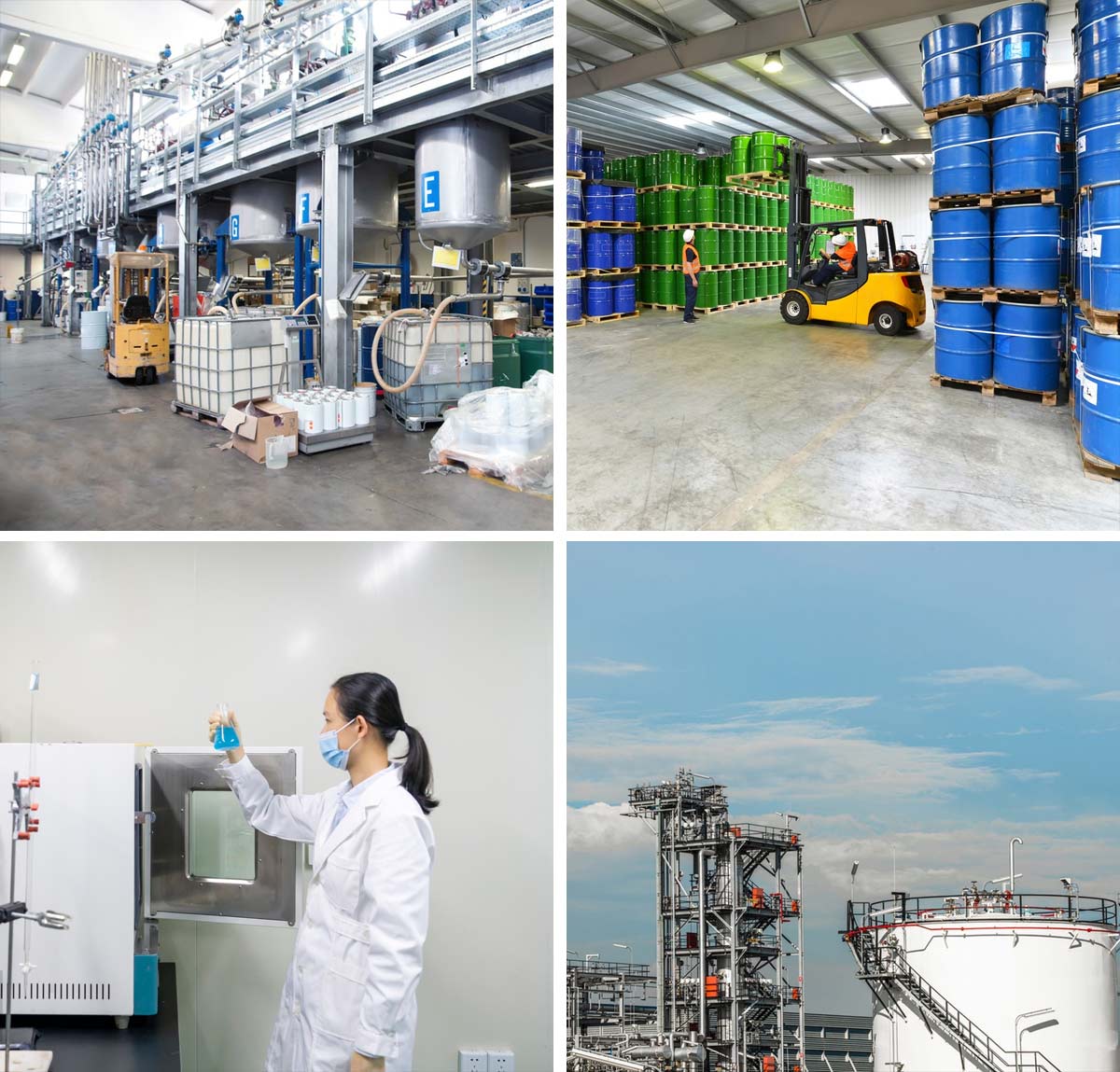
Although modern industries are reducing the use of mercury due to environmental protection requirements, in certain fields, mercury still has irreplaceable advantages:
Extremely wide liquid temperature range: The liquid temperature interval of -38°C to 356°C makes it an ideal filling liquid for precision temperature measurement instruments.
Excellent conductivity: As a liquid metal, it can conduct electricity and flow at the same time. It is a key material for manufacturing silent switches, tilt switches (ball switches), and relays.
High density and uniformity: As a density reference material, it is used to calibrate density meters or as a pressure transmission medium.
Electrode performance: In electrochemistry, mercury is often used as a drop mercury electrode or the bottom cathode of a cell, due to its extremely high hydrogen evolution overpotential, which enables electrolytic analysis in the positive potential region.
Main purpose
Instrumentation: Thermometer, barometer, sphygmomanometer, vacuum pump, diffusion pump, constant temperature bath switch (old type).
Electrical industry: Fluorescent lamps, energy-saving lamps, high-pressure mercury lamps, mercury rectifiers.
Chlor-alkali industry: Producing chlorine gas and caustic soda by flowing cathode electrolysis of brine water (the mercury process, which is currently being phased out).
Mining and Metallurgy: Extracting gold (using amalgamation method, which has been restricted), dental amalgam fillings for teeth.
Catalyst: Used in organic synthesis (such as the production of vinyl chloride monomer) and as chemical analysis reagents.
Safety and Danger
Toxicity: Highly hazardous. Mainly through inhalation of vapor through the respiratory system, skin contact, or accidental ingestion (rarely).
Target organs: Central nervous system, kidneys and mouth. Chronic poisoning manifests as "mercury toxicity tremors", gingivitis and emotional instability (Mad as a Hatter - derived from the mental disorders experienced by early hat-making workers who were poisoned by mercuric nitrate).
Environmental impact: Persistent environmental pollutants. Microorganisms can methylate these pollutants into more toxic methylmercury, which then accumulates and magnifies through the food chain (especially in fish).
Safety precautions:
Leakage handling: If a mercury thermometer breaks, do not use a vacuum cleaner or broom to clean it (this will accelerate the evaporation). Wear gloves to collect the larger particles and place them in a sealed bottle filled with water or sulfur powder (which will convert it into mercuric sulfide).
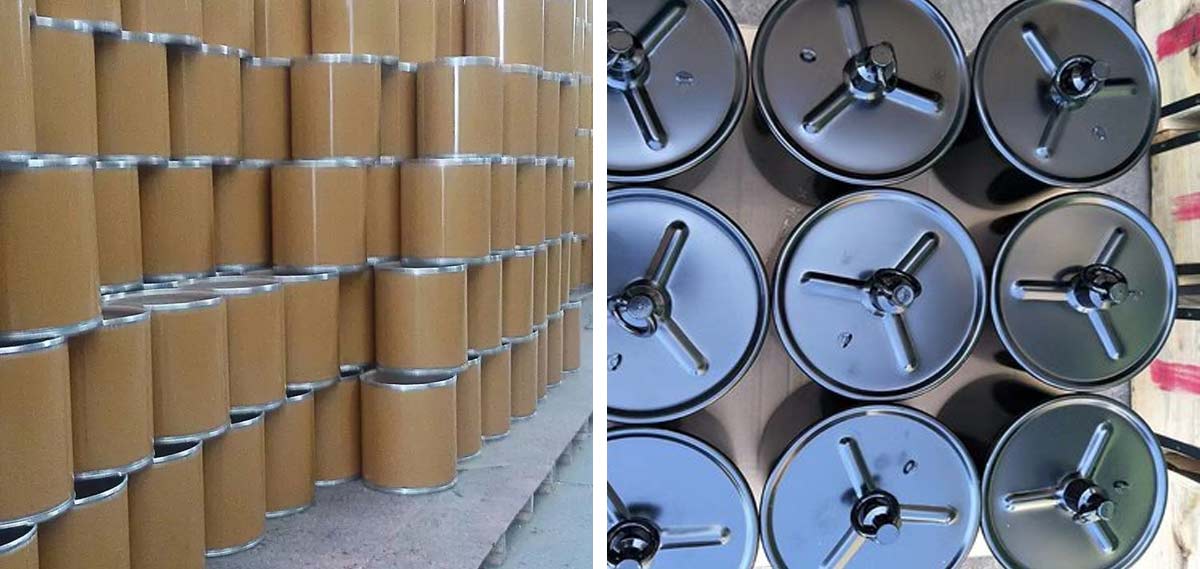
Storage: Usually stored in thick-walled glass bottles or iron containers, with a layer of water or glycerin covering the surface to reduce evaporation.
Message mailbox
Every interaction counts!
Thank you for your interest in Pearl Electric.
We welcome all enquiries from customers and clients.
If you have questions about our products or services or general enquiries, please reach out to us via the contact form provided. We will respond to your query as soon as possible.
You may also follow and reach out to us on our social media pages.
