Welcome to Linhua Chemical Co.,Ltd.

Share:


Product Details
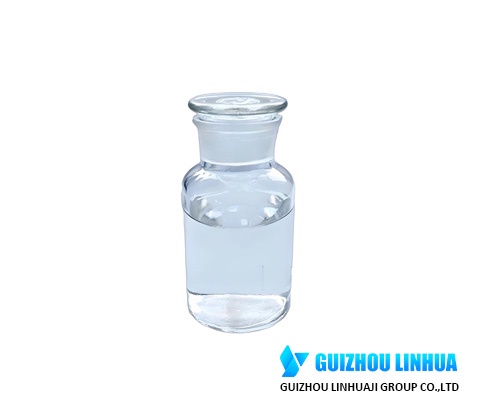
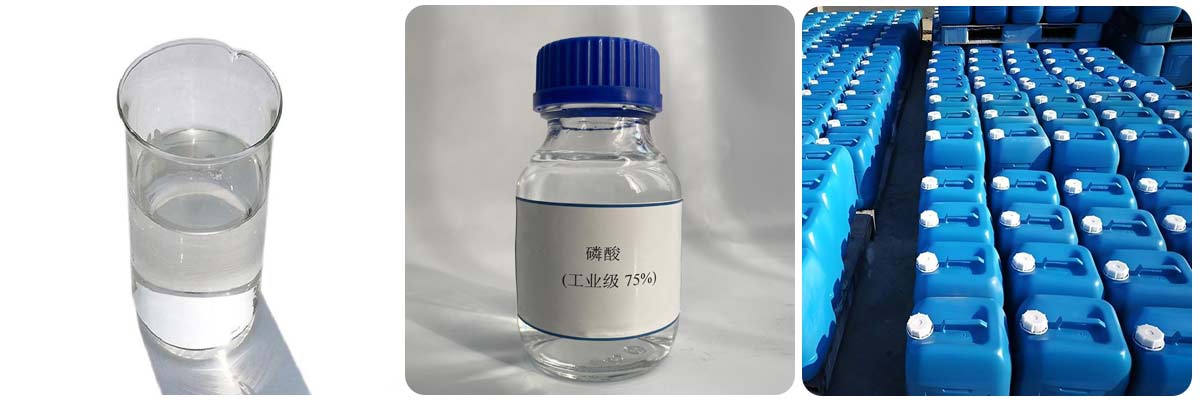
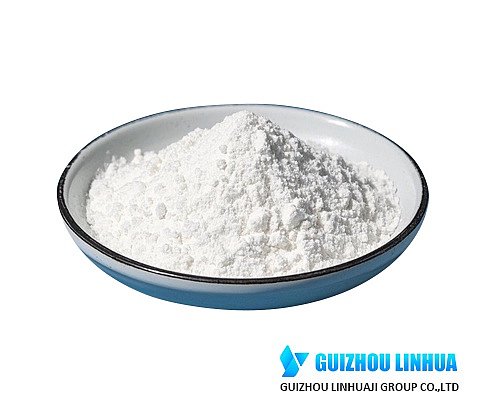
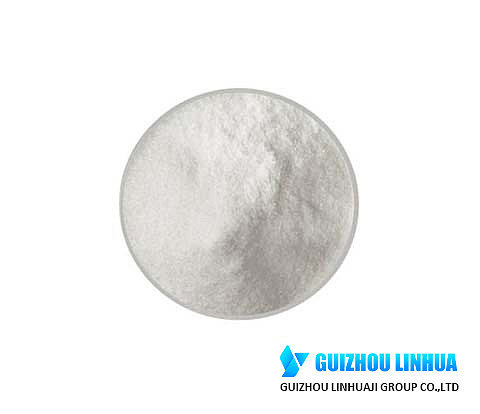
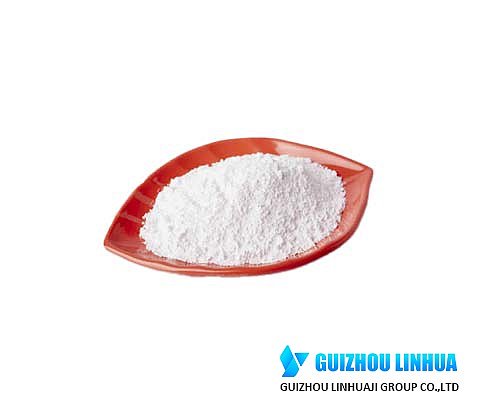
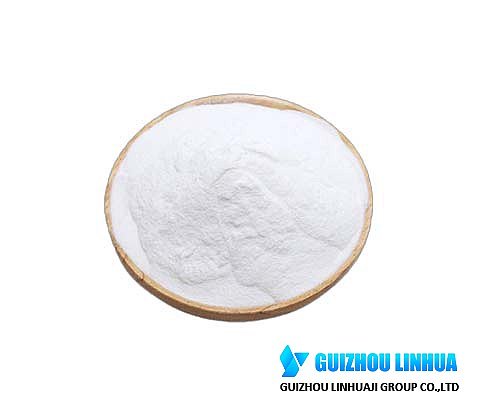
Phosphoric acid, with the chemical formula H₃PO₄, has a molecular weight of approximately 98 and is also known as orthophosphoric acid. At normal temperature and pressure, 85% concentration of phosphoric acid appears as a colorless, odorless, viscous syrup-like liquid, while pure phosphoric acid is a colorless crystalline solid that readily absorbs moisture and undergoes deliquescence. It is the core intermediate in the phosphorus chemical industry chain and is also one of the most produced chemical reagents.
Characteristics
1. Acidic characteristics:
Phosphoric acid is a moderately strong acid, stronger than acetic acid and boric acid, but weaker than sulfuric acid, hydrochloric acid and nitric acid. It exhibits a trisacidity characteristic and can be decomposed into three different salts (phosphoric dihydrogen salt, phosphoric hydrogen salt and phosphate) through stepwise ionization.
2. Chemical stability and reactivity:
Thermal decomposition property: Although relatively stable, when heated to approximately 200°C, the two molecules of phosphoric acid will undergo dehydration condensation to form pyrophosphate; if heated further to above 300°C, it will further transform into meta-phosphoric acid.
Corrosion risk: Phosphoric acid is corrosive to metals and can react with various metals to form corresponding phosphates and release hydrogen gas (with explosion risk). At the same time, it can undergo a vigorous neutralization reaction with alkaline substances.
3. Physical form:
The commercially available 85% phosphoric acid solution has a high viscosity and hygroscopicity. At low temperatures (below 21°C), even the 85% concentration product may crystallize, which is a normal physical phenomenon. It can return to its original state after heating.
Advantages
Higher safety level: Compared to strong volatile acids such as hydrochloric acid and nitric acid, phosphoric acid has an extremely low vapor pressure at room temperature. It is not prone to volatilize and produce pungent or toxic acid fumes, causing less harm to the respiratory system of operators. Therefore, the working environment is safer.
Moderate acidity regulation capability: The acidity is moderate, which can provide a refreshing sour taste (such as the key flavor of cola) in the food and beverage industry, without causing the intense corrosion or destructive effects like strong acids do.
Multifunctionality: Due to its tricarboxylic acid nature, phosphoric acid can generate a wide variety of phosphate derivatives (such as trisodium phosphate, tripolyphosphate, etc.), which play an irreplaceable role in fields such as soft water treatment, detergents, and preservatives.
Metal affinity: Phosphoric acid can form a dense phosphate conversion film (phosphating film) on the metal surface it comes into contact with. This film can effectively isolate air and water, providing excellent anti-rust and anti-corrosion effects.
Purpose:
Safety and Storage (Key Points of MSDS)
Due to the corrosive nature of phosphoric acid, the following safety guidelines must be followed during operation:
Safety measures: Operators are required to wear chemical safety goggles, rubber acid and alkali resistant gloves, and protective clothing.
First aid treatment: In case of skin or eye contact, immediately lift the eyelids or remove the contaminated clothing, and rinse with plenty of flowing water or normal saline for at least 15 minutes. Seek medical attention immediately.
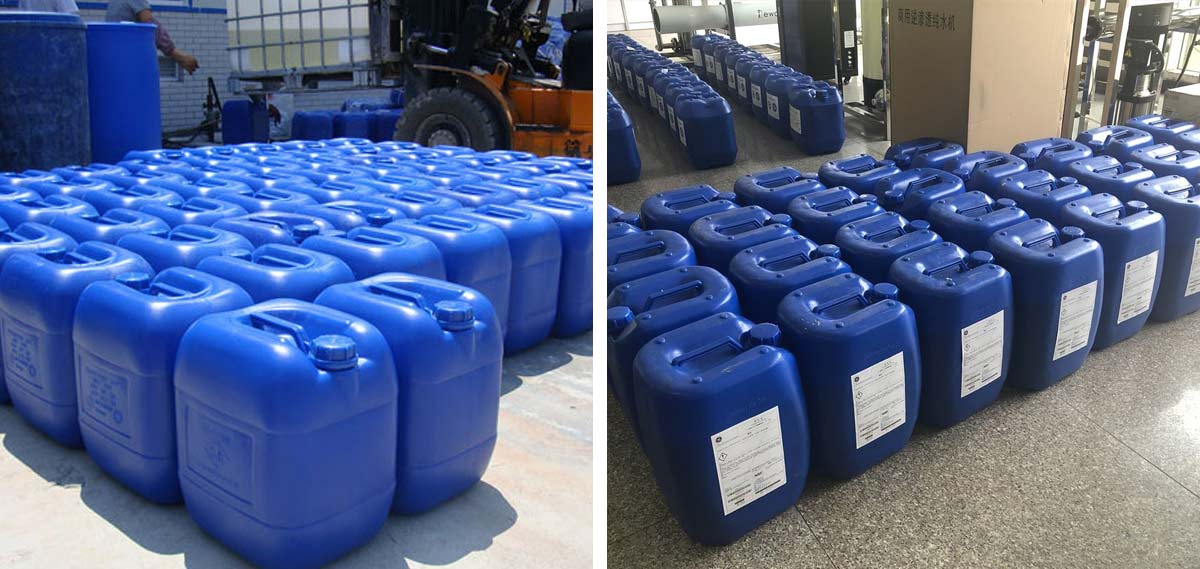
Storage conditions: It should be stored in a cool and ventilated warehouse, away from alkaline substances, active metal powders and flammable materials. When diluting phosphoric acid, slowly add the acid to the water (acid into water) to prevent boiling and splashing.
Message mailbox
Every interaction counts!
Thank you for your interest in Pearl Electric.
We welcome all enquiries from customers and clients.
If you have questions about our products or services or general enquiries, please reach out to us via the contact form provided. We will respond to your query as soon as possible.
You may also follow and reach out to us on our social media pages.
