Welcome to Linhua Chemical Co.,Ltd.



Product Details
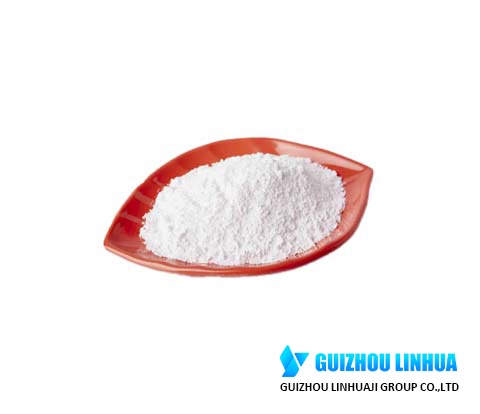
Calcium stearate, also known as calcium octadecanoate, is an organic metal compound and a calcium salt of long-chain fatty acids. In industry, it is one of the most widely used lubricants and stabilizers.
CAS Number: 1592-23-0
Molecular formula: C₃₆H₇₀CaO₄
Molecular weight: 607.02
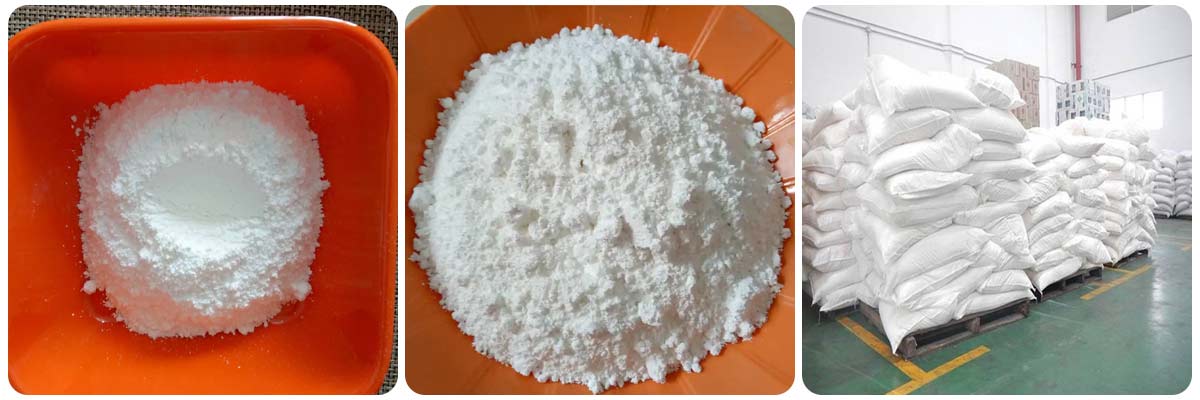
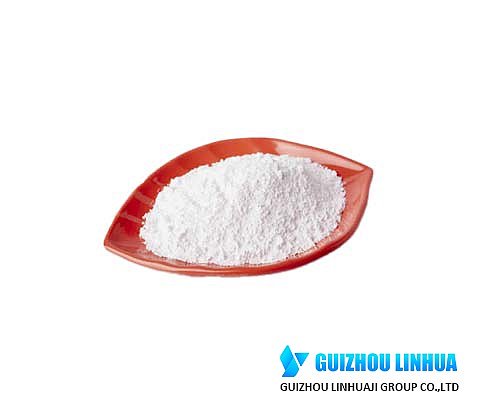
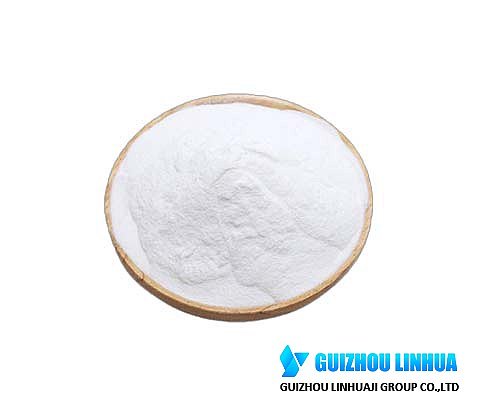
Physical form: White fine powder, with a smooth and slippery texture, odorless and tasteless, and having hygroscopic properties.
Key parameters
Physical and chemical properties
Solubility: Insoluble in common solvents such as water, alcohol, and ether. Soluble in hot pyridine, hot benzene, turpentine oil, and mineral oil. Slightly soluble in hot alcohols.
Chemical stability: Non-toxic. It readily absorbs moisture in the air. When exposed to strong acids, it decomposes into stearic acid and the corresponding calcium salt.
Thermal stability: Exhibits good heat resistance, but will slowly decompose at high temperatures (such as 400℃).
Advantageous features
Excellent lubricity: It has both internal and external lubricating effects, which can reduce the friction between polymers and processing equipment, and improve the plastic processing fluidity.
Non-toxic safety: Widely recognized as a non-toxic additive, it can be used in the fields of food packaging, medical devices, and food additives (anti-caking agents).
Synergistic stabilizing effect: Although not the primary stabilizer, it functions as an auxiliary stabilizer in PVC. It can form a synergistic effect with lead salts, soaps, etc., to prevent initial coloring.
Halogen absorption capacity: In polyolefins (such as PP, PE), it can effectively neutralize the residual catalysts during resin synthesis, preventing them from corroding equipment or affecting the color of the resin.
Feel and appearance: The fine powder texture of this product gives it a pleasant touch and a smooth surface finish.
Main purpose
Plastic Industry (The Largest Application Field)
Polyvinyl chloride (PVC): As a non-toxic heat stabilizer and lubricant, it is used in food packaging films, medical equipment, drinking water pipes, wire and cable materials, etc.
Polyolefin (PP/PE): As a halogen absorber (acid neutralizer) and lubricant, it prevents the corrosion of processing equipment, and enhances the transparency and color stability of the products.
Rubber Industry
Used as a demolding agent, plasticizer and isolator in rubber processing, it prevents the rollers from sticking during the vulcanization process and makes the surface of the products smooth.
Building materials
As a waterproofing agent, it is used as a coating lubricant for textiles, cement products, waterproof paper and coated paper.
Medicine and Food
Pharmaceutical excipients: Used as lubricants for tablets and capsules (typically used in quantities < 1.0%), they possess excellent anti-adhesive properties.
Food additives: Acting as anti-caking agents, emulsifiers and stabilizers, they prevent the caking of powdered foods (such as salt, milk powder, flavoring agents, etc.).
Other fields
Used as a glossing agent and dispersant in paints and inks; used as a base for foundation and blush in cosmetics; used as a demolding agent in the foundry industry.
Safety and Storage
Safety: Non-toxic, low irritancy. Oral LD50 > 10,000 mg/kg (in rats). It is an actually non-toxic substance. However, when processed into dust, inhalation should be avoided.
Storage conditions: Store in a cool, ventilated, and dry place. Pay attention to moisture prevention, heat prevention, and keeping away from fire sources. Avoid mixing with strong acids or strong bases.
Packaging: Usually, it is packed in woven bags lined with plastic film or composite paper bags, with a net weight of 20kg per bag.
Message mailbox
Every interaction counts!
Thank you for your interest in Pearl Electric.
We welcome all enquiries from customers and clients.
If you have questions about our products or services or general enquiries, please reach out to us via the contact form provided. We will respond to your query as soon as possible.
You may also follow and reach out to us on our social media pages.
