Welcome to Linhua Chemical Co.,Ltd.

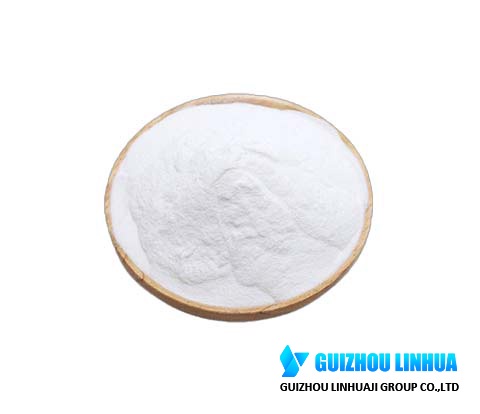
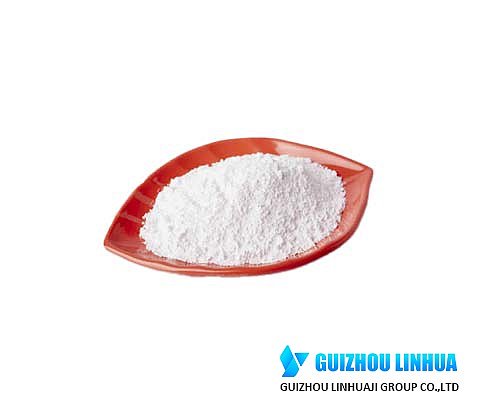
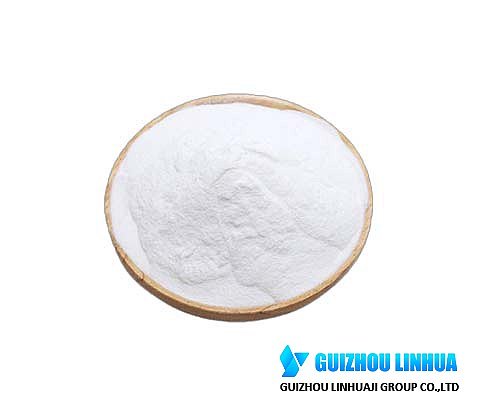
It is a white to slightly yellow fibrous powder or particle at room temperature, odorless, tasteless, and non-toxic. It has hygroscopic properties. Its core value lies in its solubility in water, which forms a transparent and viscoelastic colloidal solution, but it does not dissolve in organic solvents such as ethanol and acetone.
Share:


Product Details
Sodium carboxymethyl cellulose (CAS: 9004-32-4) is usually produced by reacting natural cotton waste fibers or wood pulp fibers with sodium hydroxide (for alkalization) and monochloroacetic acid (for etherification). The pure carboxymethyl cellulose has poor water solubility in its acid form, so commercial products are generally made into the sodium salt, namely CMC-Na. Its molecular formula can be expressed as [C6H7O2(OH)2OCH2COONa]n, with molecular weights ranging from tens of thousands to millions.
It is a white to slightly yellow fibrous powder or particle at room temperature, odorless, tasteless, and non-toxic. It has hygroscopic properties. Its core value lies in its solubility in water, which forms a transparent and viscoelastic colloidal solution, but it does not dissolve in organic solvents such as ethanol and acetone.
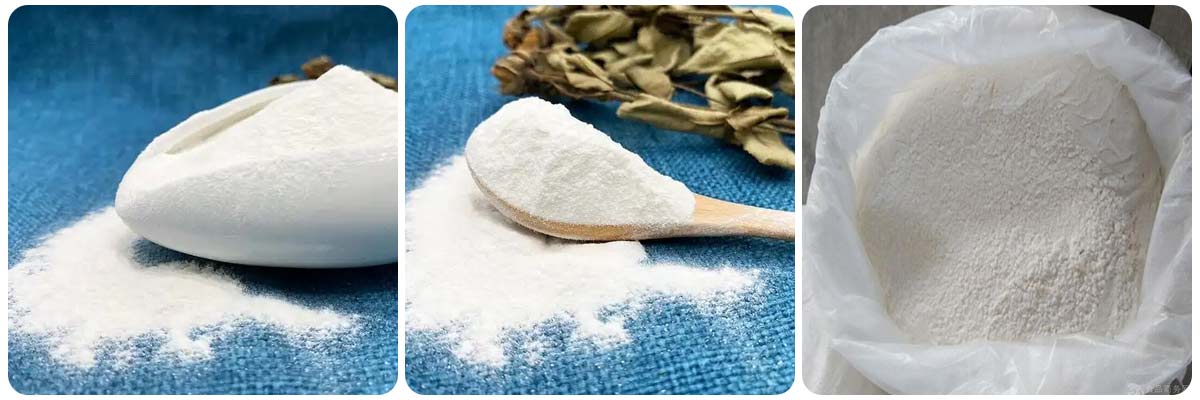
Physical and chemical properties
Advantageous features
Outstanding thixotropic and pseudoplastic properties
As an efficient rheological modifier, a very small amount of addition can significantly increase the viscosity of the system. Its solution exhibits the "shear thinning" characteristic - good flowability during stirring, and restoring its viscosity when stationary. This property is crucial for the texture and workability of toothpaste, coatings, and food sauces.
Excellent protective colloid and stability
In milk beverages, it can encapsulate casein through electrostatic repulsion and steric hindrance, preventing protein from coagulating and precipitating under acidic conditions (with pH close to the isoelectric point). In detergents, it can adhere to dirt to prevent it from re-depositing onto fabrics.
Outstanding film-forming and water-retaining capabilities
It can form a transparent film on the surface of objects. Not only can it be used for fruit and vegetable coating preservation, but it can also lock in moisture in bread and meat products, delay aging, and increase production efficiency.
Physiological inertness and safety
The human body hardly metabolizes CMC-Na, which is a safe food additive and pharmaceutical excipient. It is widely used in the development of products based on the "green" and "natural" concepts.
Purpose
Food industry (one of the largest sectors): It is a stabilizer in ice cream to prevent the formation of ice crystals, a suspending agent in yogurt and acidic beverages to prevent protein precipitation; it can increase volume and delay aging in bread, and can also be used to make jelly, jam and beer foam stabilizers.
Cosmetics and pharmaceutical industry: In toothpaste, it is the "framework" that makes the paste uniform and shaped, and ensures smooth extrusion; in tablets, it is the adhesive that binds the drug components together; in cosmetic emulsions, it acts as an emulsifying stabilizer to prevent oil and water from separating.
Industrial applications (high-volume fields): In oil drilling, it is used to prepare high-viscosity drilling fluids, serving the functions of protecting the wellbore and carrying rock debris; in the paper industry, it is used as an additive to enhance the strength and smoothness of paper; in the textile industry, it is used as a sizing agent; in water treatment, it is used as a flocculant to assist in sludge dewatering.
Message mailbox
Every interaction counts!
Thank you for your interest in Pearl Electric.
We welcome all enquiries from customers and clients.
If you have questions about our products or services or general enquiries, please reach out to us via the contact form provided. We will respond to your query as soon as possible.
You may also follow and reach out to us on our social media pages.
