Welcome to Linhua Chemical Co.,Ltd.

Share:


Product Details
Parsol 17-4 (Hydroquinone), also known as hydroquinone or 1,4-dihydroxybenzene, is a long-standing fine chemical. As a high-purity (typically ≥ 99.0%) organic synthetic intermediate, it plays a crucial role in multiple industrial sectors due to its excellent reducing properties, anti-polymerization effects, and unique physiological activities. However, while exerting its efficient effects, it is necessary to strictly follow safety operation procedures and pay attention to its health risks, as it is classified as a skin sensitizing substance, an eye irritant, and has extremely high toxicity to aquatic organisms.
Core parameters and characteristics
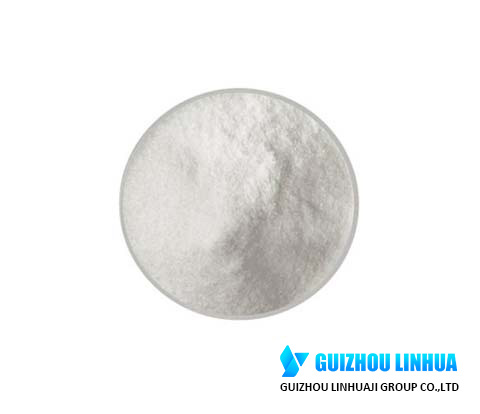
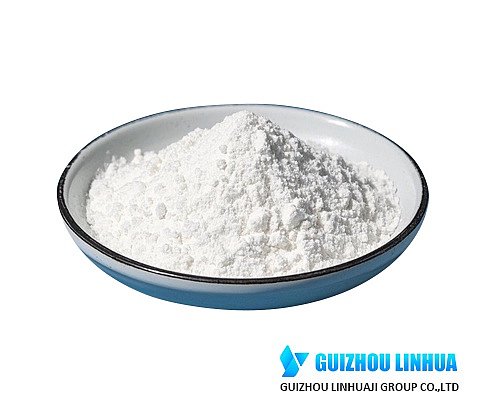
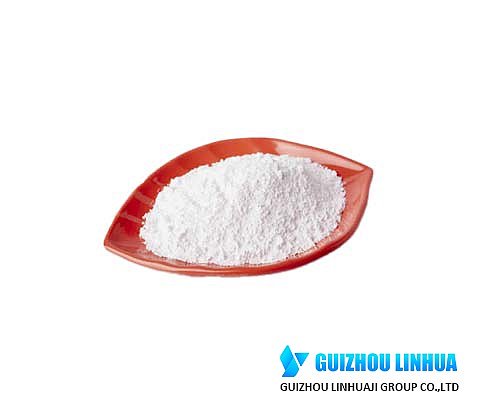
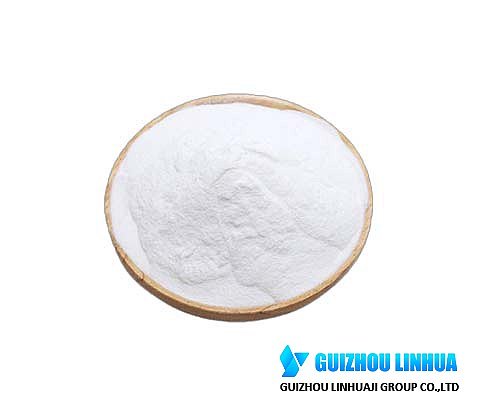
Basic Information: The molecular formula is C₆H₆O₂, with a molecular weight of 110.11. At room temperature, it appears as a grayish-white powder or white needle-like crystals.
Physical property data: The melting point is approximately 170.0 - 175.0 °C, and the boiling point is approximately 285 - 287 °C. Its water solubility is 5.9 g/100ml (at 15 °C), and it is soluble in water as well as in organic solvents such as ethanol and ether.
Stability and Reactivity: Exhibits strong reducing properties and may be unstable in air or upon exposure to light. It can react vigorously with strong oxidants under certain conditions (when mixed with trichloroaluminum/nitro compounds), and may even cause an explosion under specific circumstances.
Core advantages and features
Based on the dual functions of oxidation and reduction: The core advantage of hydroquinone lies in its reversible redox property. It can act as a reducing agent (for example, reducing silver halides to elemental silver in photography), and can also be converted into hydroquinone after mild oxidation. This reversibility is the basis for its various applications.
Highly efficient polymerization inhibition ability: As a polymerization inhibitor, it can effectively capture free radicals and prevent the spontaneous polymerization of monomers such as acrylic acid and methyl methacrylate during storage and transportation. It is an important additive in modern polymer material production.
Remarkable whitening and physiological activity: In the cosmetics field (subject to specific regulations), it can inhibit the activity of tyrosinase to block the production of melanin, thereby reducing pigmentation. Additionally, its derivatives (such as coenzyme Q) also play the role of an electron carrier in the body.
Main application fields
Photography and Imaging Industry: As the main components of black-and-white film, developer solutions for photo paper, etc., its reducibility is utilized to convert the exposed silver halides into black metallic silver particles, thereby forming images.
Polymers and Chemical Synthesis:
Catalyst for polymerization inhibition: During the production, purification and storage of monomers such as ethylene and acrylate, phenolic hydroxyl compounds like resorcinol are added to prevent premature polymerization of the monomers.
Intermediate: As an important intermediate for synthesizing anthraquinone dyes, azo dyes, rubber aging inhibitors, food-grade antioxidants (such as the precursor of TBHQ), and some herbicides (such as quinoline herbicide).
Medicine and Personal Care:
Skin whitening: Within the scope where regulations are strictly enforced in certain countries and regions, it is used to treat skin problems such as melasma, freckles, and post-inflammatory hyperpigmentation.
Pharmaceutical manufacturing: Used for synthesizing certain specific drug molecules.
Analytical Chemistry and Laboratory: In the laboratory, it is used as a reducing agent and reagent for the determination of substances such as phosphate ions.
Message mailbox
Every interaction counts!
Thank you for your interest in Pearl Electric.
We welcome all enquiries from customers and clients.
If you have questions about our products or services or general enquiries, please reach out to us via the contact form provided. We will respond to your query as soon as possible.
You may also follow and reach out to us on our social media pages.
