Welcome to Linhua Chemical Co.,Ltd.

Share:


Product Details
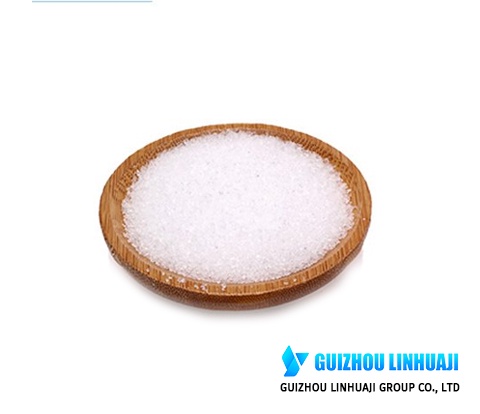
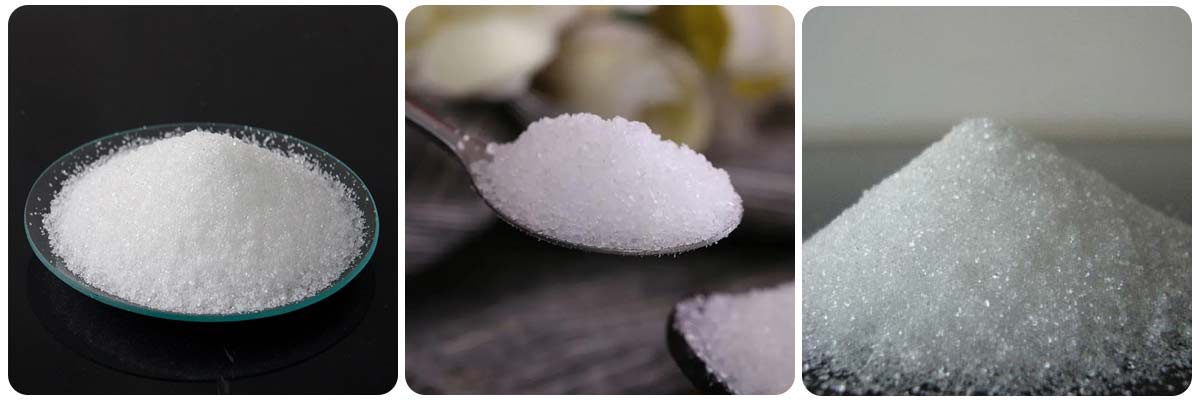
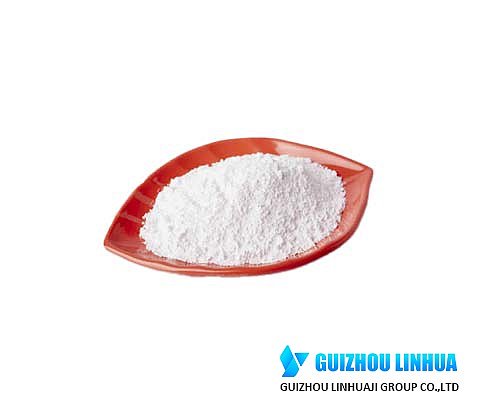
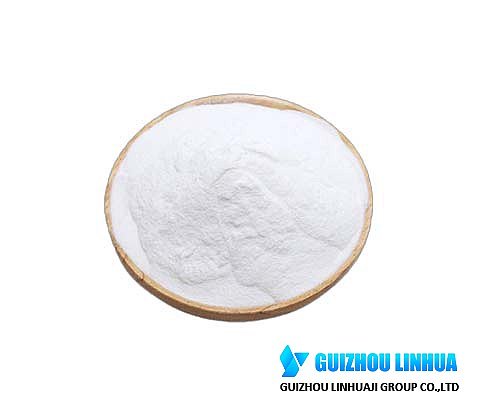
Citric acid monohydrate is a naturally occurring organic acid, typically produced through the fermentation of sugar-based raw materials by microorganisms such as Aspergillus niger. It is a colorless crystalline or white granular substance, odorless, and extremely sour in taste. As the most common form of citric acid available on the market, it undergoes slight weathering in dry air and is included in major global pharmacopoeias (such as USP, EP, BP, FCC) and Chinese national standards (GB) due to its high safety and versatility.
Basic parameters
Characteristics and Advantages
Strong chelating ability: The three carboxyl groups in the molecular structure have extremely strong metal ion chelating capabilities, which can form stable complexes with calcium, magnesium, iron, copper and other ions, thereby achieving the effects of softening water, preventing oxidation discoloration, and enhancing cleaning efficiency.
Pure sourness: Offers a mild, refreshing, and lingering sour taste without the bitter aftertaste that other organic acids may cause. It is an ideal choice for seasoning.
High safety: It has been recognized as a GRAS (Generally Recognized As Safe) substance by the US FDA. It is widely present in animals and plants, and can be completely metabolized and decomposed by the human body.
Buffering performance: When combined with sodium citrate, it is one of the most commonly used standard buffer systems in biological and chemical laboratories (pH range 2.2 - 6.0).
Specific form: Compared to anhydrous citric acid, monohydrate citric acid is obtained under specific crystallization processes and is typically used in scenarios that require the provision of crystalline water or specific solubility properties.
Main purpose
Food and Beverage Industry
Acidulant/Flavoring Agent: Used in carbonated beverages, juices, jams, candies, alcoholic beverages, etc., to adjust the sweetness and tartness and enhance the flavor.
Preservatives/Preservatives: By lowering the pH value, they inhibit the reproduction of microorganisms; in fruit products, they can prevent browning.
Antioxidants: Acting as metal ion chelators, they prevent the oxidation and spoilage of oils and fruit and vegetable products.
Medicine and Personal Care
Pharmaceutical excipients: Used for preparing effervescent tablets (reacting with sodium bicarbonate to produce CO₂), pH regulators in syrups, and anticoagulants (ACD formulation).
Cosmetic raw material: As a type of alpha hydroxy acid (AHA), it is used for exfoliation and regulating the pH value of skin care products. It is commonly found in lotions, shampoos and whitening products.
Cleaning and Water Treatment
Environmental-friendly scale remover: It can effectively dissolve scale (calcium carbonate) in boilers, heat exchangers and water kettles.
Industrial washing: As an excellent auxiliary detergent, it replaces phosphorus-containing substances and is used in laundry powders and cleaners. It has the functions of softening water quality, dispersing dirt, and preventing metal corrosion.
Chemistry and Laboratory Applications
Buffer solution preparation: Used in biochemical experiments to maintain the pH stability of the reaction system.
Analytical reagent: Used as a complexing masking agent, it shields the interference of metal ions in analytical chemistry; also used for the preparation of standard calibration solutions for pH meters.

Packaging and Storage
Packaging specifications: Usually, it is 25kg woven bags lined with plastic bags, or 500g or 1kg bottled (for laboratory use).
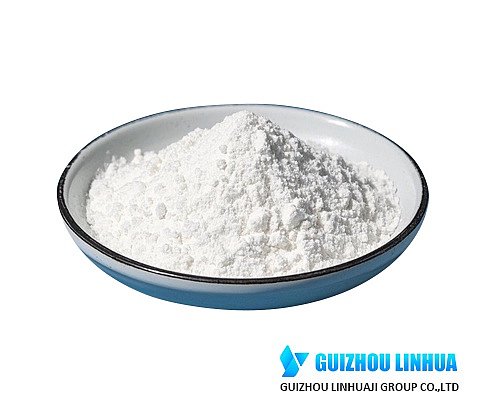
Storage conditions: It should be stored in a sealed container in a clean, dry and well-ventilated place. Avoid high temperature and high humidity to prevent caking or deterioration.
Message mailbox
Every interaction counts!
Thank you for your interest in Pearl Electric.
We welcome all enquiries from customers and clients.
If you have questions about our products or services or general enquiries, please reach out to us via the contact form provided. We will respond to your query as soon as possible.
You may also follow and reach out to us on our social media pages.
