Welcome to Linhua Chemical Co.,Ltd.

Share:


Product Details
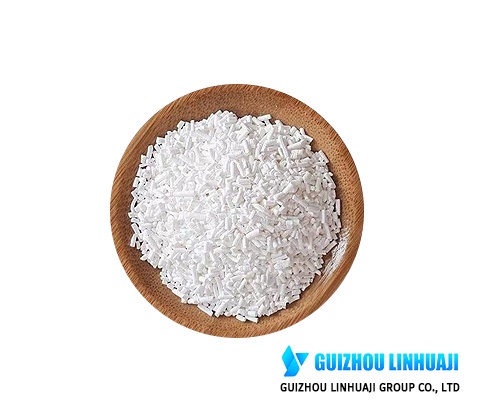
Potassium Sorbate is the potassium salt of sorbic acid and belongs to acidic preservatives. It is naturally present in certain berries, but currently it is mainly produced through chemical synthesis in industry. Due to its excellent preservative properties and extremely high safety, it is recommended by the Food and Agriculture Organization of the United Nations (FAO) and the World Health Organization (WHO) as a safe and efficient food preservative, and is one of the most consumed preservatives worldwide.
CAS Number: 590-00-1 (Some sources also indicate it as 24634-61-5, both referring to the same substance).
Molecular formula: C₆H₇KO₂.
Molecular weight: 150.22 g/mol.
EINECS number: 246-376-1.
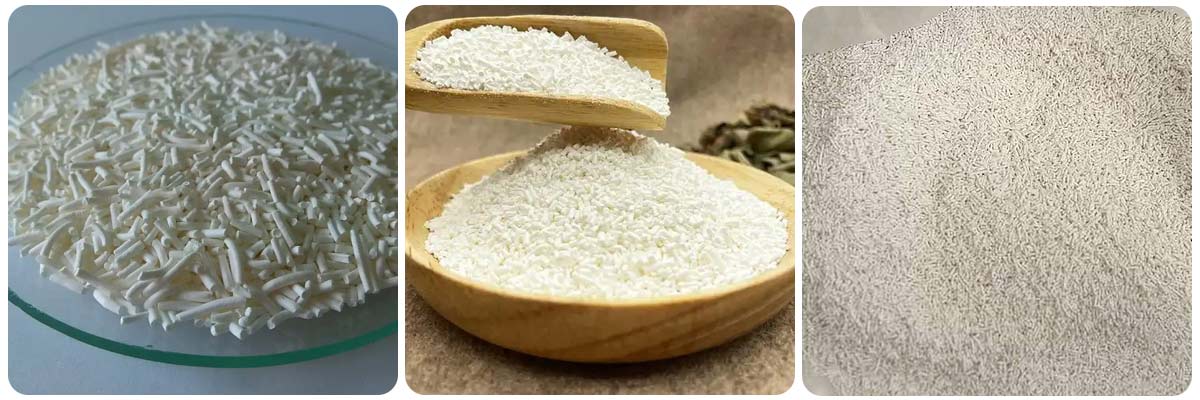
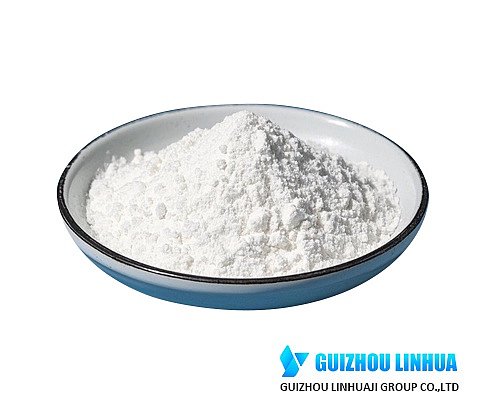
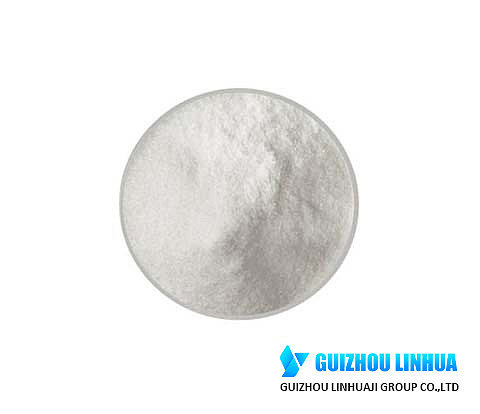
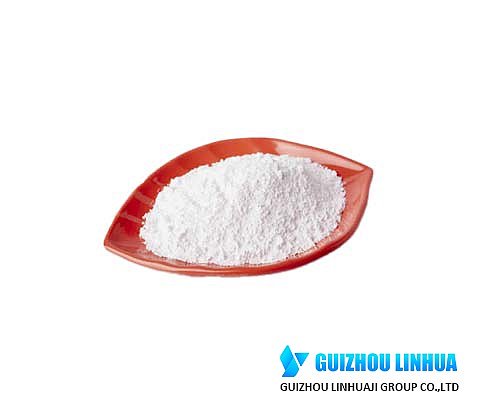
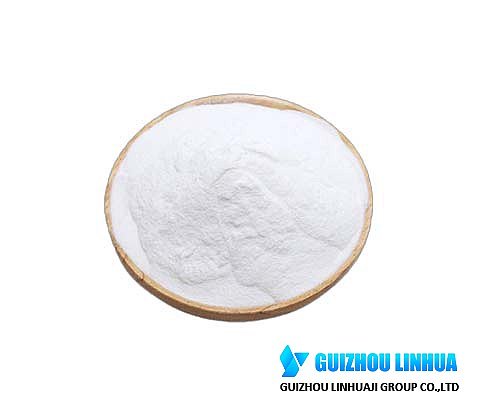
Appearance: White to light yellow flaky crystals, crystalline powder or granules. Odorless or with a faint characteristic smell.
Key parameters and physical-chemical properties
Advantageous features
Extremely high safety: Potassium sorbate has extremely low toxicity. Its median lethal dose (LD50) is approximately 10.5 g/kg (oral administration to mice), and it falls within the recognized safe (GRAS) category. After being ingested by the human body, it is metabolized into carbon dioxide and water, with no residual toxicity. Its safety is 5-10 times that of the traditional preservative benzoic acid sodium.
Daily allowable intake (ADI): 0 - 25 mg per kilogram of body weight.
Excellent anti-corrosion effect: It has a very strong inhibitory effect on molds, yeasts and aerobic bacteria, and also has inhibitory effects on harmful microorganisms such as botulinum bacteria, staphylococcus, and salmonella. Its main mechanism is to inhibit the enzyme system of microorganisms (binding to sulfhydryl groups) to prevent their development, and its inhibitory effect is stronger than its bactericidal effect.
Preserves food flavor: While effectively inhibiting the growth of spoilage bacteria, it basically does not affect the original flavor and color of the food.
High solubility: Compared to the water-insoluble property of sorbic acid, potassium sorbate is highly soluble in water, making it convenient to be directly added and used in the food industry.
pH-dependent: The anti-corrosion effect is optimal under acidic conditions (with a pH value lower than 5-6). It is relatively weak under neutral conditions.
Main purpose
Potassium sorbate is widely used in food, feed, cosmetics and personal care products.
Food Industry
It is the main force in food preservation and has an extremely wide range of applications:
Dairy products and beverages: Used in cheese, yogurt, fruit juices, carbonated beverages, wine and beer to prevent spoilage caused by yeast and mold.
Baking pastries: Used for bread, cakes, mooncakes, etc., to prevent mold growth and extend shelf life.
Seasoning: Added to soy sauce, vinegar, and sauces to prevent mold growth (yeast that forms a film) on the surface.
Meat products and aquatic products: Used for spraying or soaking the surface of ham, sausage, and fish products (such as fish cakes), to inhibit pathogenic bacteria such as botulinum bacteria.
Fruit and vegetable processing: Used for preserving vegetables (such as pickles and sauerkraut), jams, jellies, and dried fruits (such as dates) to prevent mold and extend shelf life.
Feed Industry
Used in animal feed, it inhibits the growth of molds, especially preventing the production of aflatoxins, and is non-toxic and harmless to animals.
Cosmetics and Personal Care
It is added as a preservative to products such as facial cleansers, masks, wipes, shampoos, etc., to prevent the products from deteriorating. The usual addition amount is 0.5%.
Packaging Materials
The coating treatment for food packaging paper, plastic films or rubber materials, which achieves long-term anti-corrosion effect through slow release.
Quality standards and implementation standards
National Standard: GB 1886.39 "National Food Safety Standard - Food Additives - Potassium Sorbate".
International standards: FCC (U.S. Food Chemicals Codex), FAO/WHO.
Message mailbox
Every interaction counts!
Thank you for your interest in Pearl Electric.
We welcome all enquiries from customers and clients.
If you have questions about our products or services or general enquiries, please reach out to us via the contact form provided. We will respond to your query as soon as possible.
You may also follow and reach out to us on our social media pages.
