Welcome to Linhua Chemical Co.,Ltd.

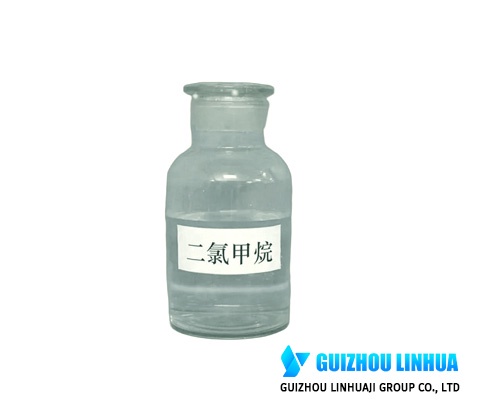
It is a colorless transparent liquid that is highly volatile and has a characteristic sweet or irritating odor similar to ethers. At normal temperature, it is generally regarded as a non-flammable low-boiling-point solvent, but it can still catch fire when exposed to high-temperature open flames.
Share:


Product Details
Dichloromethane (Dichloromethane, abbreviated as DCM), also known as methylene chloride or methyl vinyl chloride.
It is a colorless transparent liquid that is highly volatile and has a characteristic sweet or irritating odor similar to ethers. At normal temperature, it is generally regarded as a non-flammable low-boiling-point solvent, but it can still catch fire when exposed to high-temperature open flames.
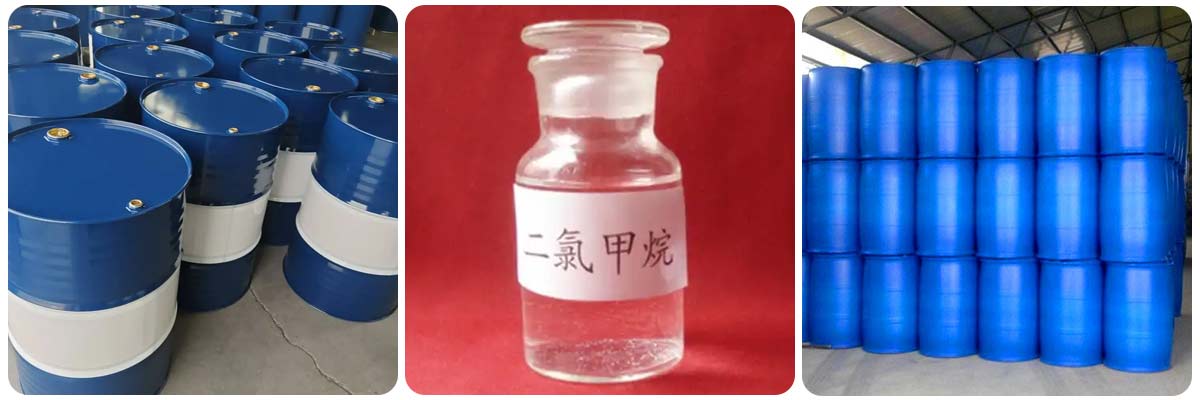
Molecular weight: 84.94
CAS Number: 75-09-2
Key parameters
Core Advantages and Characteristics
Excellent dissolving ability: It can effectively dissolve various high-molecular compounds, such as acrylic resins, polyurethanes, epoxy resins, etc. The dissolving speed for certain substances (such as acrylic resins) is even faster than that of acetone.
Low boiling point and volatility: The boiling point is approximately 39.8℃, and it is highly volatile. This property enables it to be easily removed from the final product in applications such as paint stripping, foaming, and extraction, significantly reducing the drying time.
Relative safety (low toxicity): Compared to other chlorinated hydrocarbon solvents such as chloroform and carbon tetrachloride, dichloromethane has relatively lower toxicity (the oral LD50 for rats is approximately 1.6g/kg), and it is non-flammable. It was previously used as a substitute.
Excellent recyclability: Approximately 90% of dichloromethane in industry can be recycled through distillation and other methods, and the energy consumption for its distillation purification is only 60% of that of trichloroethylene. This meets the circular economy concept of green chemistry.
Main purpose
Industrial solvents and extractants: By taking advantage of their strong solubility, they are used to dissolve resins, paints, and rubber, or for decaffeination of coffee beans (with a low-temperature extraction efficiency of up to 98%), as well as for extracting flavoring agents and drug components.
Fine chemical synthesis: As an important intermediate and reaction medium in organic synthesis, it is used for the production of antibiotics such as amoxicillin and penicillin, as well as pesticides and adhesives.
Plastics and Foaming: The foaming agents historically used for polyurethane (PU) soft foams (due to their low boiling points and volatility) are also employed in the production of film materials (such as cellulose acetate base films).
Cleaning and degreasing: In the electronics industry, high-purity dichloromethane is used for cleaning semiconductor chips and removing photoresist. It is also commonly used for degreasing and stripping paint on metal surfaces.
Regulations and Safety Precautions
Hazard classification: According to the classification of the International Agency for Research on Cancer (IARC) of the World Health Organization, dichloromethane is classified as a 2A carcinogen (i.e., potentially carcinogenic to humans), and it has been included in the "List of Toxic and Hazardous Air/Water Pollutants" of China and the "List of Key Controlled New Pollutants".
Health risks: Mainly enter the human body through inhalation or skin contact. It has an anesthetic effect. Exposure to high concentrations can cause dizziness and confusion; long-term exposure may damage the central nervous system and liver, and have a dehydrating effect on the skin.
Occupational exposure limit: The MAC (maximum allowable concentration) in China is 200 mg/m³; the ACGIH standard in the United States is 50 ppm.
First aid measures: If it accidentally enters the eyes, immediately rinse with clean water; if it comes into contact with the skin, remove the contaminated clothing and wash with soapy water; if inhaled, quickly move to an area with fresh air; if ingested, drink plenty of warm water to induce vomiting and seek medical attention immediately.
Fire prevention and decomposition: Although it is difficult to catch fire at normal temperature, it will decompose and release highly toxic gases such as phosgene and hydrogen chloride when exposed to open flames or high temperatures. When extinguishing the fire, use mist water, foam, carbon dioxide or sand.
Message mailbox
Every interaction counts!
Thank you for your interest in Pearl Electric.
We welcome all enquiries from customers and clients.
If you have questions about our products or services or general enquiries, please reach out to us via the contact form provided. We will respond to your query as soon as possible.
You may also follow and reach out to us on our social media pages.
