Welcome to Linhua Chemical Co.,Ltd.

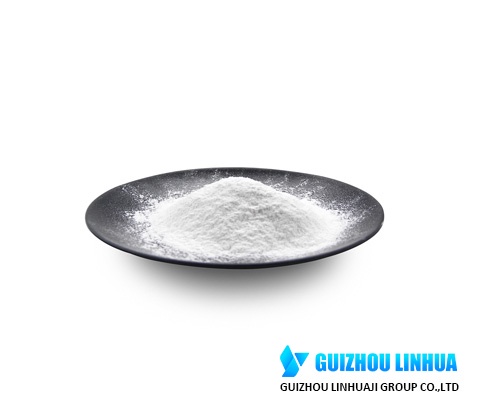
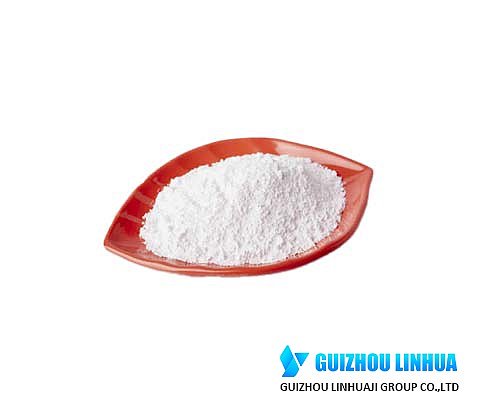
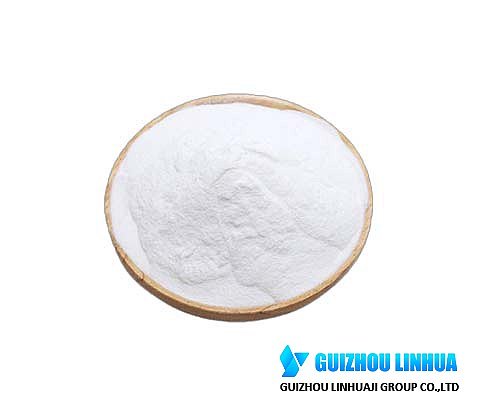
PVA usually appears as white to milky white powder, flocculent or granular solids. It is non-toxic, odorless and pollution-free. It has excellent film-forming property, adhesive property and oil resistance, and is one of the earliest synthetic polymers to be industrially produced in human history.
Share:


Product Details
Polyvinyl Alcohol (PVA or PVOH) is a synthetic water-soluble linear polymer. It is produced by the alcoholysis (or hydrolysis) reaction of polyvinyl acetate. Depending on the extent to which the ester groups are replaced by hydroxyl groups (i.e., the degree of alcoholysis), it is classified as partially alcoholysis type and completely alcoholysis type.
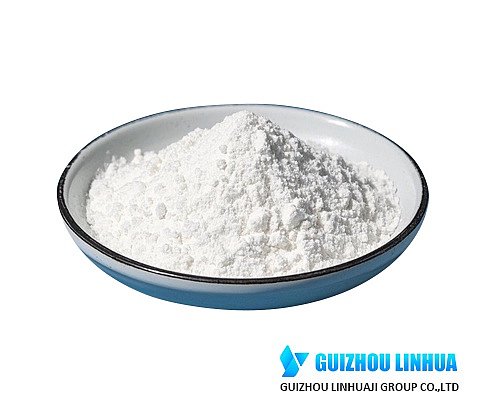
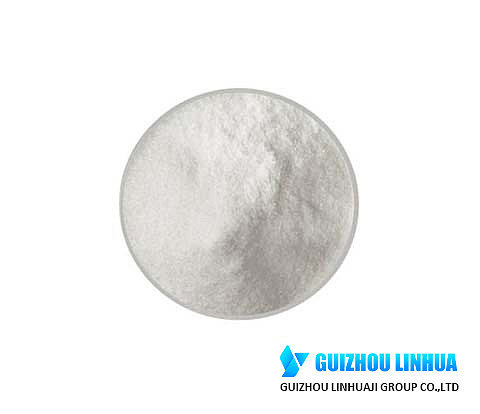
PVA usually appears as white to milky white powder, flocculent or granular solids. It is non-toxic, odorless and pollution-free. It has excellent film-forming property, adhesive property and oil resistance, and is one of the earliest synthetic polymers to be industrially produced in human history.
CAS Registry Number: 9002-89-5
Molecular formula: -CH2CHOH-n (where n represents the degree of polymerization)
EINECS Number: 209-183-3 4
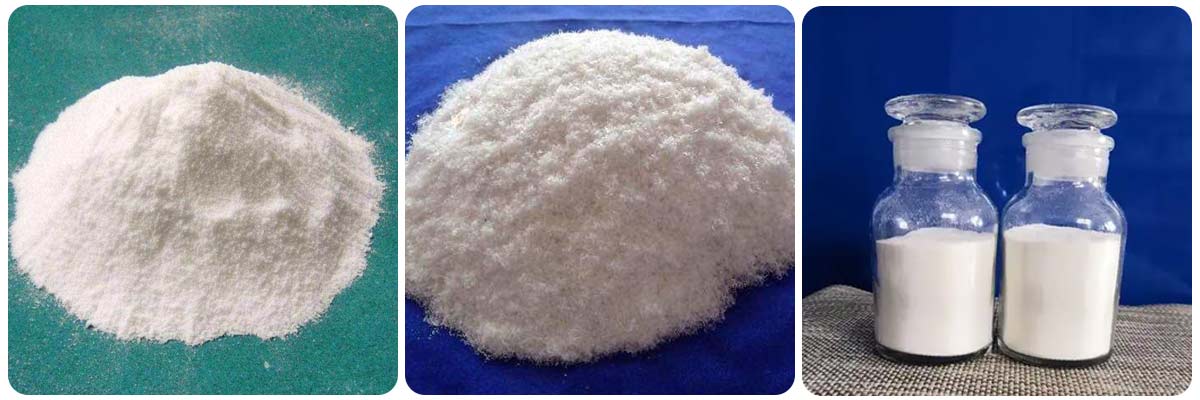
The properties of polyvinyl alcohol are mainly determined by two key indicators: polymerization degree and alcoholysis degree. The polymerization degree affects molecular weight and solution viscosity, while the alcoholysis degree influences solubility and chemical stability.
Characteristics and Advantages
Core characteristics
Water solubility: This is the most notable feature of PVA. Completely alcohol-degraded PVA needs to be heated to 80-90℃ hot water to dissolve completely; while partially alcohol-degraded types (such as with an alcohol degree of 88%) can dissolve in cold water.
Chemical tolerance: Exhibits excellent oil resistance and solvent resistance (resistant to most organic solvents, oils, and lubricants), but is sensitive to strong acids, strong bases, and certain salts (such as borax, phosphate salts).
Film formation and adhesion: The formed film layer is transparent, tough, has a high light transmittance, and strong gas barrier properties. At the same time, it has excellent adhesion to hydrophilic substrates such as fibers and paper.
Thermal stability: When heated in air above 100℃, it will gradually change color. At 160-170℃, the dehydration etherification process occurs, resulting in the loss of water solubility. Above 200℃, decomposition begins.
Core advantage
Environmentally friendly and non-toxic: The product itself is non-toxic and odorless, and it is biodegradable both in anaerobic and aerobic conditions, being friendly to the environment.
Biocompatibility: Good human body affinity, no skin irritation. It is often used as a pharmaceutical auxiliary material, such as in the production of artificial tears, drug sustained-release capsules, and medical dressings.
Multifunctional adjustable: The molecular chain contains a large number of hydroxyl groups (-OH), making it easy to undergo chemical modifications such as esterification, etherification, and acetalization, resulting in the derivation of various resins such as polyvinyl butyral (PVB).
Main Uses
Textiles and Fibers: As yarn sizing agents, they enhance the wear resistance and tensile strength of the yarns; they are also the main raw material for synthetic fibers such as "vinylon".
Building and Adhesives: Used for preparing eco-friendly glues (such as 107 glue), interior and exterior wall paints; also used as adhesives for bonding wood and paper.
Polymers and Chemicals: As a dispersing and stabilizing agent during the suspension polymerization of monomers such as vinyl chloride; for the preparation of polyvinyl alcohol formaldehyde and polyvinyl alcohol butyral, etc.
Medicine and Cosmetics: Used as film-forming materials (coating agents), gel agents, and sustained-release matrix materials in pharmaceuticals; act as lubricants in eye drops (artificial tears) and serve as base materials for cosmetic masks.
Packaging and Agriculture: Preparation of water-soluble films (such as packaging films for laundry beads) and agricultural soil amendments.
Emerging field: Materials for 3D bioprinting scaffolds, surface stabilizers (to prevent crystal formation) in drug delivery systems, and the preparation of biocompatible polymers.
Product Specifications Example
Message mailbox
Every interaction counts!
Thank you for your interest in Pearl Electric.
We welcome all enquiries from customers and clients.
If you have questions about our products or services or general enquiries, please reach out to us via the contact form provided. We will respond to your query as soon as possible.
You may also follow and reach out to us on our social media pages.
