Welcome to Linhua Chemical Co.,Ltd.

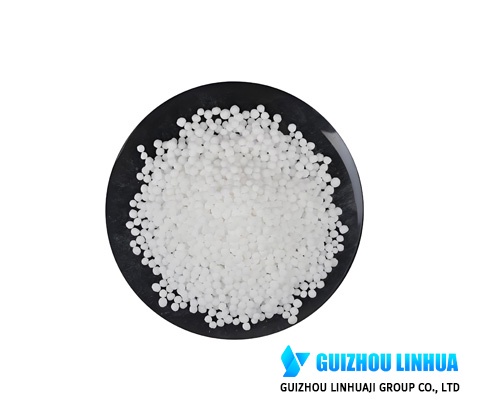
In commercial applications, urea is currently the solid nitrogen fertilizer with the highest nitrogen content; in the fields of research and industry, it is also an important chemical raw material and biological reagent.
Share:


Product Details
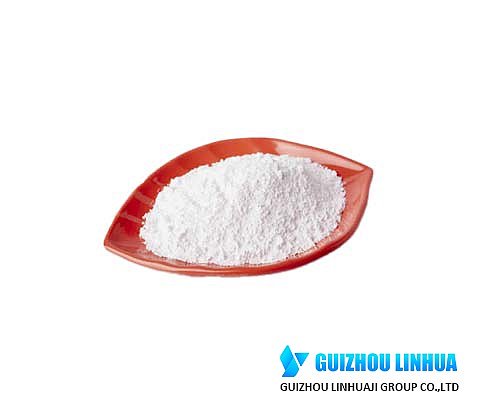
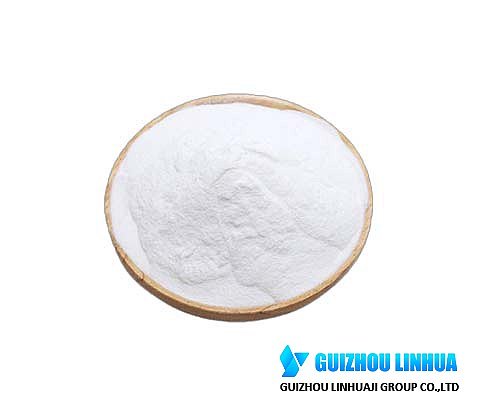
Urea, also known as carbamide, is an organic compound composed of carbon, nitrogen, oxygen and hydrogen. It is excreted from the body as a final product in the protein metabolism of mammals. It is the first organic compound artificially synthesized from inorganic substances, marking the emergence of modern organic chemistry.
In commercial applications, urea is currently the solid nitrogen fertilizer with the highest nitrogen content; in the fields of research and industry, it is also an important chemical raw material and biological reagent.
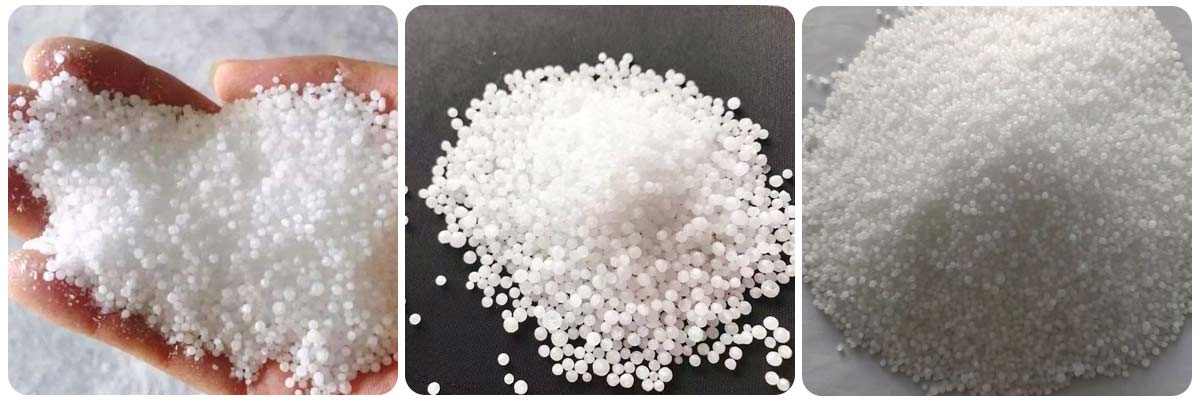
Physical and Chemical Properties
Solubility: Highly soluble in water. At 20°C, the solubility is approximately 1080 g/L. The aqueous solution is neutral to slightly alkaline (pH 8.0 - 10.0). It can also be dissolved in ethanol, methanol and glycerol, but is almost insoluble in ether and chloroform.
Stability: The solid form is stable. However, when heated above its melting point, it will decompose, releasing ammonia gas and generating substances such as ureidone. If the solution form is left for too long or sterilized at high temperatures, it may decompose and produce cyanate esters.
Hygroscopicity: It has a certain degree of hygroscopicity. When exposed to humid air, it will absorb moisture and should be stored in a sealed container.
Acid-base property: Although it is an amide compound, in aqueous solution, due to hydrolysis, it exhibits a weak alkaline reaction.
Core advantage
High nitrogen content: When used as fertilizer, its nitrogen content of up to approximately 46% is much higher than that of traditional fertilizers such as ammonium sulfate and ammonium nitrate. This can effectively reduce transportation costs and application frequency.
Highly efficient denaturation ability: In biochemistry, urea (typically at a concentration of 6M-8M) can effectively break the hydrogen bond network of proteins, causing the secondary and tertiary structures of proteins to unfold (denature), and this process is usually reversible.
Strict impurity control: For different application scenarios, high-purity urea strictly controls the residues of carbamide diurea, cyanate, and DNase/RNase. Especially for molecular biology grade urea, it ensures the accuracy of electrophoresis and nucleic acid experiments.
Moisturizing and keratin softening: In the cosmetics industry, urea is one of the natural moisturizing factor (NMF) components. It has excellent moisturizing ability and the ability to dissolve keratin, and can improve the skin barrier function.
Main purpose
Agriculture:
As a neutral quick-release nitrogen fertilizer, it is suitable for various types of soil and crops. It can also be used to produce slow-release fertilizers (such as urea-formaldehyde) and non-protein nitrogen feed additives for ruminants like cattle and sheep.
Industrial Chemicals:
It is the basic raw material for the production of high-molecular materials such as urea-formaldehyde resins (adhesives), melamine, and cyanuric acid.
The diesel engine exhaust treatment fluid (AdBlue/vehicle urea) used for processing diesel engine exhaust converts nitrogen oxides into harmless nitrogen.
In the textile industry, it is used to enhance the dyeability of fibers. In the pharmaceutical industry, it is employed to produce certain sedatives and diuretics.
Life sciences and medical research:
Protein analysis: Widely used in SDS-PAGE (protein electrophoresis) and inclusion body reconstitution experiments, it helps to dissolve insoluble proteins and prevent protein aggregation.
Nucleic acid research: Used for preparing denaturing polyacrylamide gels (urea-PAGE), for DNA sequencing or the separation of single-stranded DNA/RNA.
Clinical test: As a standard sample for urine components, it is used for the determination of blood urea nitrogen (BUN) and bilirubin.
Cosmetics and Beauty:
Added to hand cream, body lotion and shampoo, it can achieve functions such as moisturizing, exfoliating and treating keratinization of hair follicles (chicken skin).

Storage and Safety Information
Storage conditions: Store in a sealed container at room temperature (RT) or in a cold place (2-8°C), maintaining a dry environment. The solution is recommended to be prepared fresh.
Stability: Avoid contact with strong oxidants.
Safety Warning: Although the toxicity is relatively low, ammonia gas, which is irritating, will be produced during the high-temperature decomposition. When using in the laboratory, wear laboratory coats and gloves to avoid direct contact with the eyes and prolonged skin contact.
Message mailbox
Every interaction counts!
Thank you for your interest in Pearl Electric.
We welcome all enquiries from customers and clients.
If you have questions about our products or services or general enquiries, please reach out to us via the contact form provided. We will respond to your query as soon as possible.
You may also follow and reach out to us on our social media pages.
