Welcome to Linhua Chemical Co.,Ltd.

Share:


Product Details
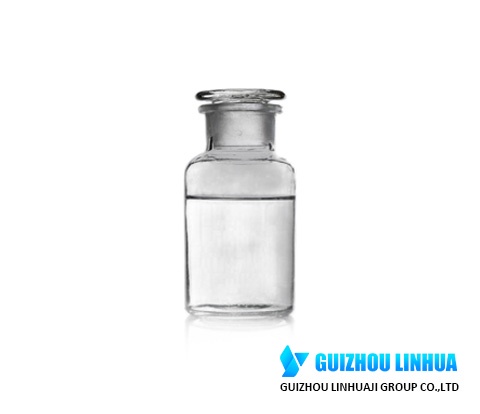
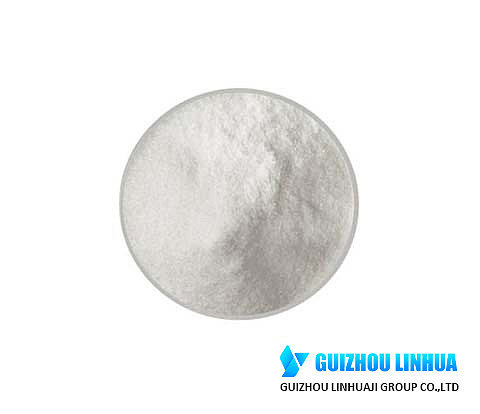
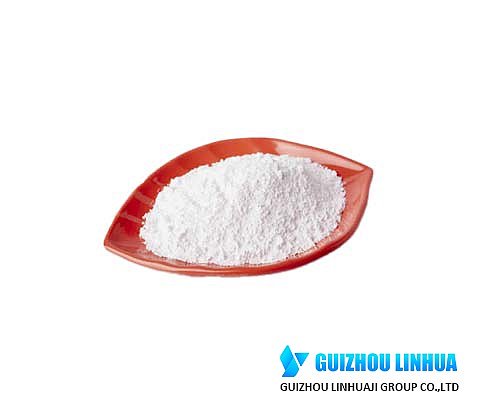
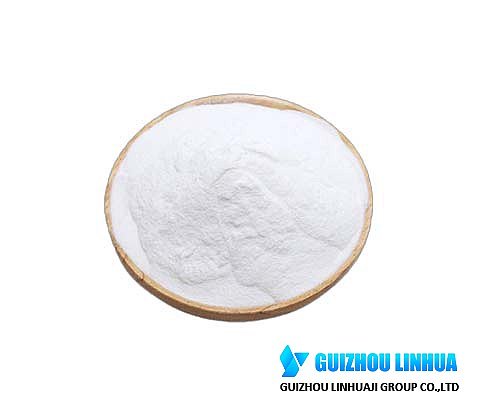
2-Phenoxyethanol (also known as phenoxyl), is an organic compound. In the cosmetics industry, it is regarded as an excellent alternative to traditional formaldehyde-releasing preservatives due to its low allergenicity and favorable sensory properties. It is typically synthesized from phenol and ethylene oxide through an addition reaction. At room temperature, it is a colorless transparent oily liquid with a faint rose aroma.
Advantages and Features
The comprehensive performance of 2-phenylethanol in the formulation is what makes it a key component in the global mainstream range of preservatives:
Broad-spectrum antibacterial, especially against Pseudomonas aeruginosa: It has inhibitory effects on both Gram-positive and Gram-negative bacteria, and is particularly effective against Pseudomonas aeruginosa (Pseudomonas aeruginosa), a type of bacteria that is difficult to inhibit in cosmetics.
Outstanding safety: It is composed of low-toxicity raw materials (the oral LD50 for rats is approximately 3000mg/kg). It does not release formaldehyde and has low skin irritation. It has not been identified as a skin carcinogen and is currently evaluated as an efficient and mild preservative by the EU BPR and the US EPA.
Excellent formula compatibility: It has good compatibility with various surfactants and remains stable within the pH range of 3 to 9.5. It is suitable for most skincare product formulas.
Sensory experience is excellent: The scent is faint and pleasant, and it will not alter the original color and aroma of the cosmetics. This ensures the stability of the product's olfactory and visual properties.
Synergistic enhancement: It is often used in combination with paraben esters, ethyl hexyl glycerin, etc. This not only reduces the individual usage amounts but also achieves a broader-spectrum antibacterial effect.
Main purpose
According to the regulations, the maximum allowable concentration of benzoyl ethyl alcohol in cosmetics is 1.0%. Its application scope mainly falls within this concentration range:
Cosmetics and personal care products (primary uses):
Permanent products: face cream, lotion, essence, sunscreen.
Cleaning products: Shampoo, body wash, wipes (wipes are particularly commonly used), facial cleanser.
Pharmaceutical field:
As an antiseptic for external use drug preparations.
As a protective agent in the vaccine composition, it is used to prevent bacterial contamination.
Industry and Perfume Field:
Solvent: Due to its high boiling point and excellent solubility for resins, it is used as a solvent for inks and dyes.
Fixative: In perfumes, it can be used as a low-intensity fixative or solvent.
Others: In the aquaculture industry, it is used as an anesthetic for fish, and also as an ingredient in insect repellents.
Safety and Storage
Regulatory status: Included in the "Cosmetics Safety Technical Specifications" of China as a permitted preservative, with a maximum allowable concentration of 1.0%.
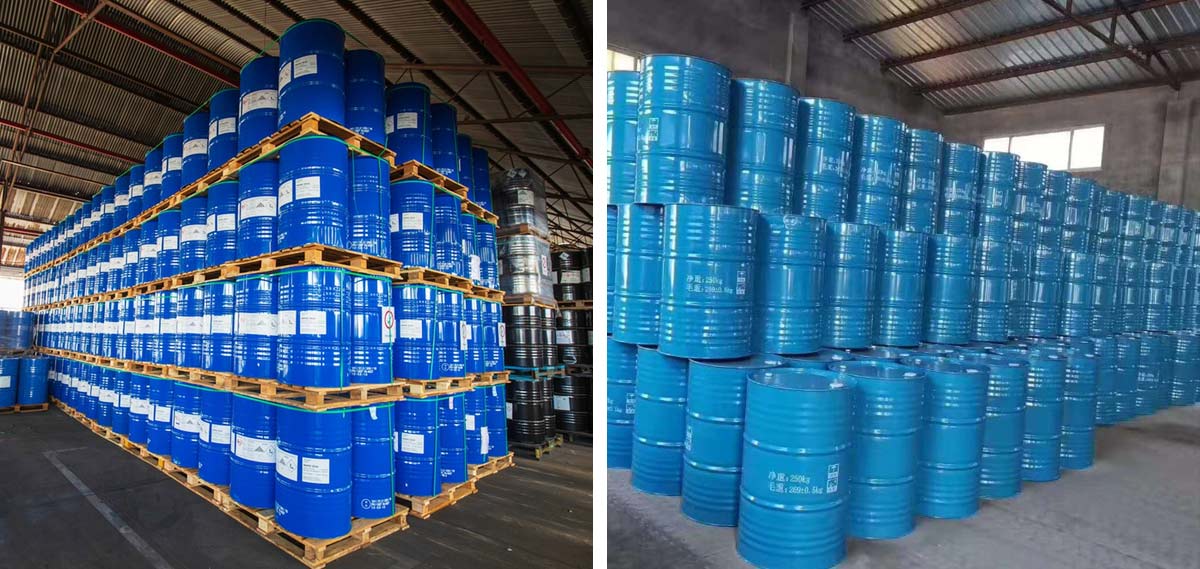
Storage conditions: It should be stored in a cool, dry and well-ventilated place, sealed and protected from light. The shelf life is usually 12 to 24 months.
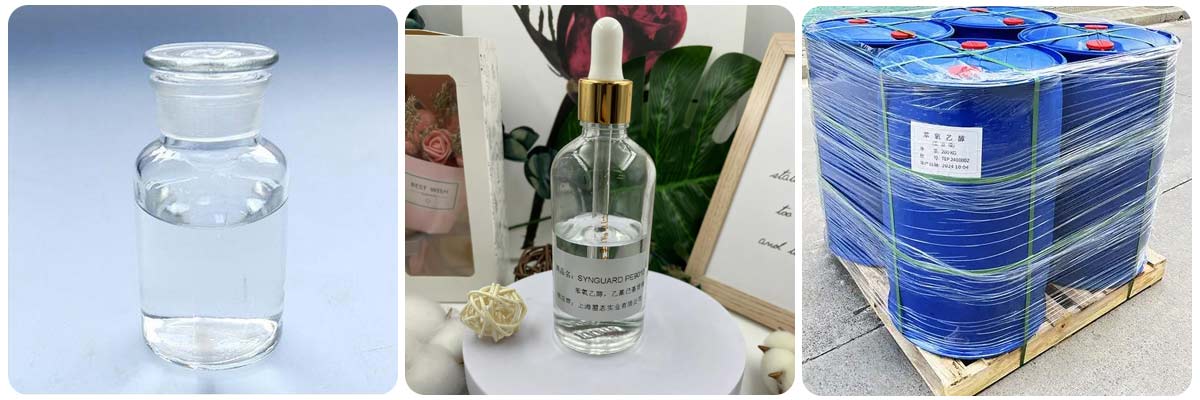
Packaging: The standard type is 25kg plastic drums or 200kg/220kg steel-plastic drums.
Message mailbox
Every interaction counts!
Thank you for your interest in Pearl Electric.
We welcome all enquiries from customers and clients.
If you have questions about our products or services or general enquiries, please reach out to us via the contact form provided. We will respond to your query as soon as possible.
You may also follow and reach out to us on our social media pages.
