Welcome to Linhua Chemical Co.,Ltd.

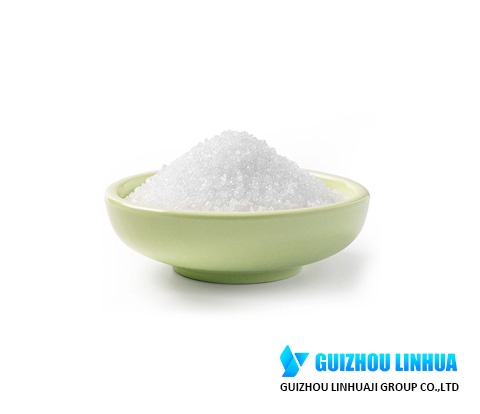
It is highly soluble in water and ethanol, making it ideal for use as an acidulant, preservative, and stabilizer in food, pharmaceuticals, and cosmetics.
2. Industrial Applications:
Widely used in food processing, pharmaceuticals, and cleaning products, citric acid serves as a preservative, pH regulator, and flavor enhancer.
3. Hygroscopic & Stable:
Citric acid absorbs moisture from the air but remains stable when stored at 2-8°C, with a high melting point (153-159°C) and boiling point (248°C).
4. Acidic & Safe:
With a low pH, it is effective in various applications. However, it may irritate skin and eyes, requiring safe handling.
Share:


Product Details
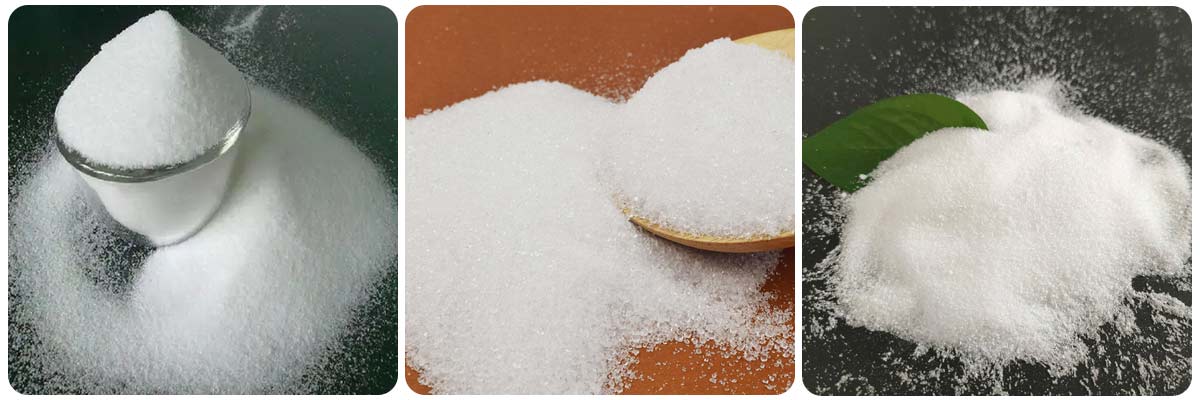
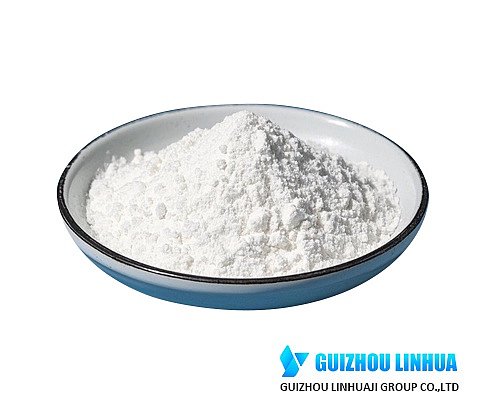
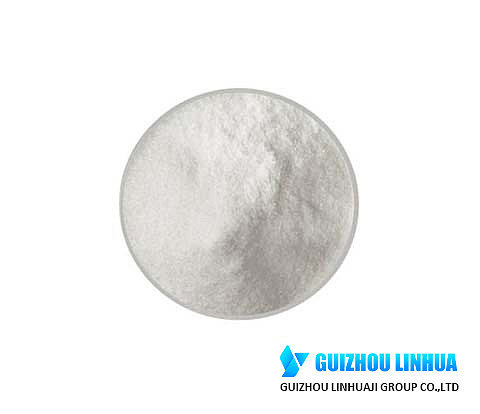
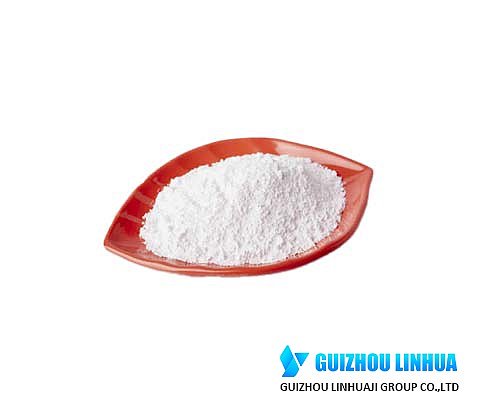
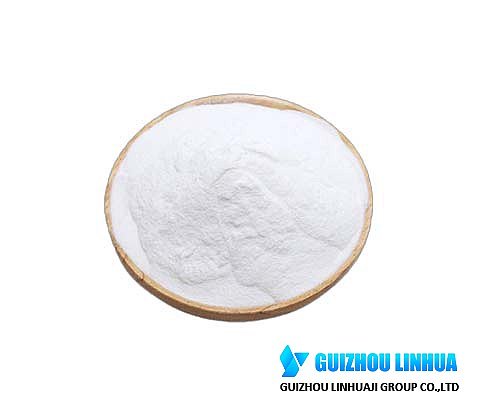
Citric Acid, with the CAS number 77-92-9, is one of the most important organic acids. It is naturally present in fruits such as lemons and oranges, and usually appears in the form of white crystalline powder.
Anhydrous citric acid is a naturally occurring substance and an intermediate metabolite in the physiological processes of both plants and animals. It is also one of the most extensively utilized organic acids in the food, pharmaceutical, and chemical industries. This compound appears as colorless, transparent, or semi-transparent crystals, as well as granular or fine powder.
Product Information
Production method:
Citric acid can be extracted from fruits such as lemons and oranges, or synthesized using oxaloacetic acid and acetone as raw materials. However, the industrial production methods currently adopted both domestically and internationally are all based on the fermentation method. The fermentation method includes solid fermentation, shallow tray fermentation, and deep fermentation processes. More than 80% of citric acid in China is produced using potato dry powder as the raw material, through deep fermentation with Aspergillus niger, followed by calcium carbonate neutralization, sulfuric acid hydrolysis, purification, concentration, crystallization, and drying.
1. In the fermentation process, the potato dry powder is mixed to form a 18% to 22% slurry, which is then sent to a sterilized fermentation tank (0.2 MPa, 40-60 minutes). The slurry is heated to 110°C for sterilization for 20 minutes, and then subjected to liquidization treatment with 0.05% amylase. After cooling to 35°C, Aspergillus niger is inoculated for fermentation. The fermentation temperature is 36-38°C in the early stage and 34-36°C in the later stage; the ventilation ratio is 1:(0.1-0.2); the pH value is not less than 2.5; the fermentation period is 96 hours. The acid production level is 10% to 14%, and the conversion rate is 95%.
2. After the fermentation is completed, the fermentation liquid is heated to 80°C to kill the mold, and then sent into a filter press to obtain clear liquid. The filtrate is added with calcium carbonate powder at 80°C to neutralize the pH value to 5.0-5.5, and is kept at 80°C for 0.5 hours. Then, it undergoes vacuum filtration, and is washed with 80°C hot water to obtain calcium citrate.
3. Acidolysis, purification: In a continuously stirred tank, the calcium citrate is added to water or dilute acid, and then slowly added with sulfuric acid until the pH value is 1.8. It is heated to 90°C and the endpoint is determined by the double-tube method. Then, 1% to 3% of activated carbon is added for 0.5 hours of heating, and it is placed in an absorption bucket to dry. The washing water (i.e., dilute acid) is used for the next acidolysis. Finally, 732 cation exchange resin is used for ion exchange to remove various cations.
4. Concentration, crystallization, drying: The clear liquid after ion exchange contains 15% to 20% citric acid. It is vacuum concentrated to a relative density of 1.335-1.340 at 55-60°C, and placed in a crystallization pot. It is cooled with frozen salt water to below 36.6°C to precipitate water crystals. The crystals are separated, and a small amount of distilled water is used to wash until the sulfuric acid content is below 200×10^-12. Finally, it is dried at 35°C under hot air to obtain the finished product.
Main purpose
Lactic acid is one of the most widely used organic acids, and its main application areas include:
Food and beverages: As a natural acidulant, pH regulator and preservative, it is widely used in soft drinks, juices, jams and candies.
Medicines and health supplements: Used as an acid source in effervescent tablets (reacting with sodium bicarbonate to produce carbon dioxide), and as an anticoagulant and multivalent chelating agent.
Industrial application: As a chemical intermediate, a chelating agent (used for removing scale from water), and for the development of battery materials.
Cell culture and research: Used in the laboratory to prepare buffers and support the biosynthesis of substances such as cholesterol
Message mailbox
Every interaction counts!
Thank you for your interest in Pearl Electric.
We welcome all enquiries from customers and clients.
If you have questions about our products or services or general enquiries, please reach out to us via the contact form provided. We will respond to your query as soon as possible.
You may also follow and reach out to us on our social media pages.
