Welcome to Linhua Chemical Co.,Ltd.

It is naturally found in various plant fruits, with the highest content in grapes, and is often present in the form of potassium salt.
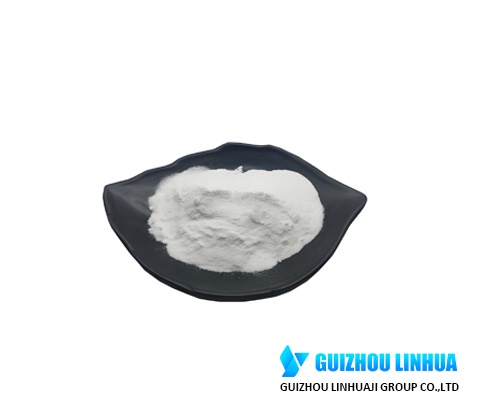
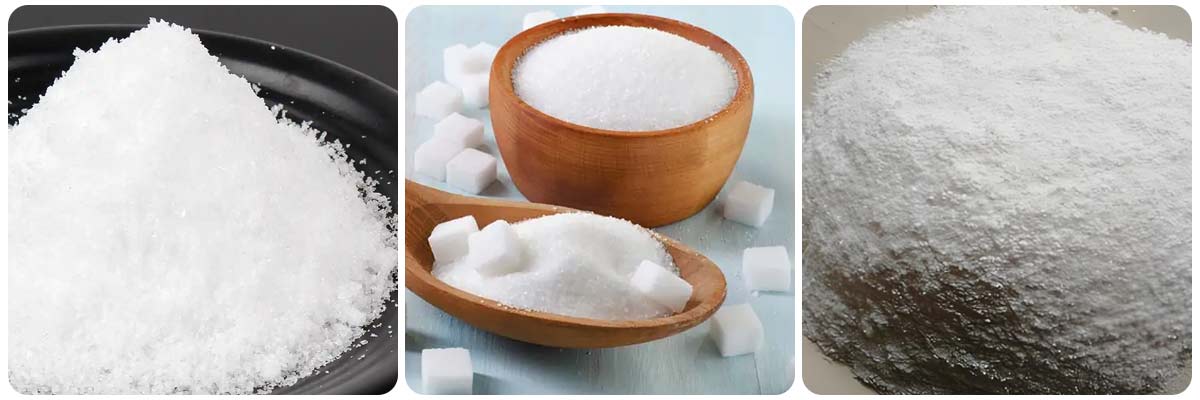
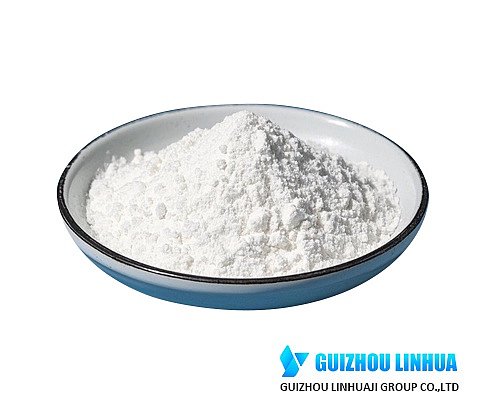
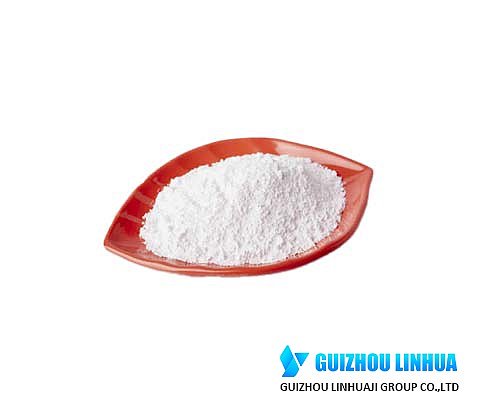
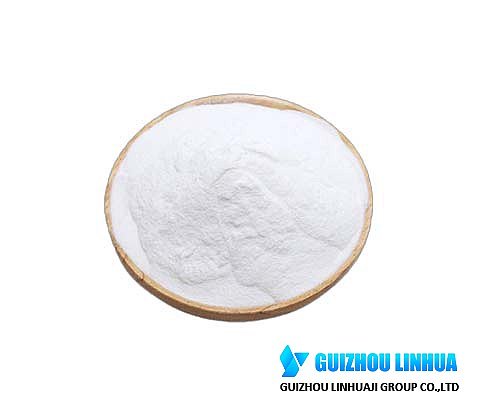
Appearance: Colorless semi-transparent crystals or white crystalline powder, odorless, with a strong sour taste.
EINECS number: 205-695-6.
Share:


Product Details
D-Tartaric acid, with the chemical name (2S,3S)-2,3-dihydroxybutyric acid, has the molecular formula of C4H6O6 and a molecular weight of 150.09.
It is naturally found in various plant fruits, with the highest content in grapes, and is often present in the form of potassium salt.
Appearance: Colorless semi-transparent crystals or white crystalline powder, odorless, with a strong sour taste.
EINECS number: 205-695-6.
Core advantages and features
Optical activity and chiral characteristics: As the dextrorotatory isomer of tartaric acid, it exhibits specific left-handed optical activity (with a negative optical rotation), and is an important chiral compound. It is commonly used as a chiral splitter for separating enantiomeric drug isomers.
Strong acidity and chelating ability: The acidity is stronger than that of citric acid and malic acid. The two carboxyl groups and two hydroxyl groups in its molecule enable it to form chelation with various metal ions (such as calcium, magnesium, copper, iron, etc.), forming stable complexes.
High purity and stability: The commercially available products usually have a purity of over 99%, with stable chemical properties. They do not easily deteriorate when stored as per regulations, but it is necessary to note that they should be stored separately from oxidants and strong bases.
Biological method production, environmentally friendly: The mainstream production process in modern industry utilizes microbial enzymes (such as cis-epoxysuccinic acid hydrolase) to catalyze hydrolysis, or directly produces it through fermentation from glucose. Compared to chemical synthesis, it is more environmentally friendly.
Main purpose
1. Food Industry
Acidulant: Widely used in beverages (such as juice, wine), candies, jams, and baking powder. It can provide a strong sour taste and a refreshing aftertaste, and has a lower hygroscopicity than citric acid. It performs better in hard candies.
Brewing foaming agent: Used to enhance the taste and foam retention of beer.
2. Pharmaceutical Industry
Chiral resolving agents: As a crucial pharmaceutical intermediate, they are used to synthesize various chiral drugs, such as those used in the production of anti-AIDS drugs (such as nelfinavir) and saquinavir, etc.
Pharmaceutical excipients: Their salts (such as potassium sodium tartrate) can be used as laxatives and diuretics.
3. Chemical and Electronic Industries
Metal cleaning and polishing: Due to its acidity and chelating properties, it can be used to remove oxides and dirt from metal surfaces and is also employed as a polishing agent.
Piezoelectric materials: Sodium potassium tartrate crystals possess piezoelectric properties and are one of the core materials used in the electronics industry for manufacturing transducers and components of sonar systems.
Mordant and developer: In the textile dyeing industry, it is used as a mordant for acid dyes; in photography, it is used in the preparation of developing and fixing solutions.

Storage and Security
Storage conditions: It should be stored in a sealed manner in a cool, ventilated, and dry warehouse, avoiding direct sunlight. The recommended storage temperature should be below 30°C.
Safety: Although D-tartaric acid is a substance with low toxicity, it is highly acidic and can cause irritation to the eyes, respiratory system and skin. During operation, protective equipment such as chemical goggles and gloves should be worn. In case of accidental contact, immediately rinse with plenty of water.
Message mailbox
Every interaction counts!
Thank you for your interest in Pearl Electric.
We welcome all enquiries from customers and clients.
If you have questions about our products or services or general enquiries, please reach out to us via the contact form provided. We will respond to your query as soon as possible.
You may also follow and reach out to us on our social media pages.
