Welcome to Linhua Chemical Co.,Ltd.

Share:


Product Details
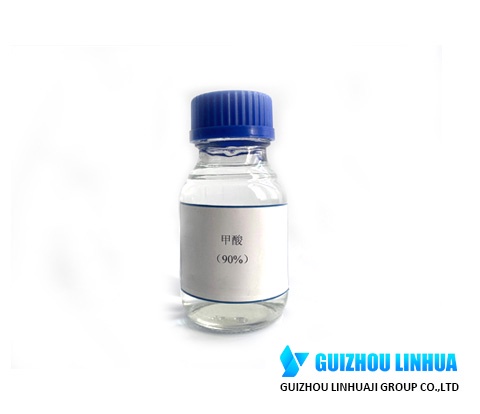
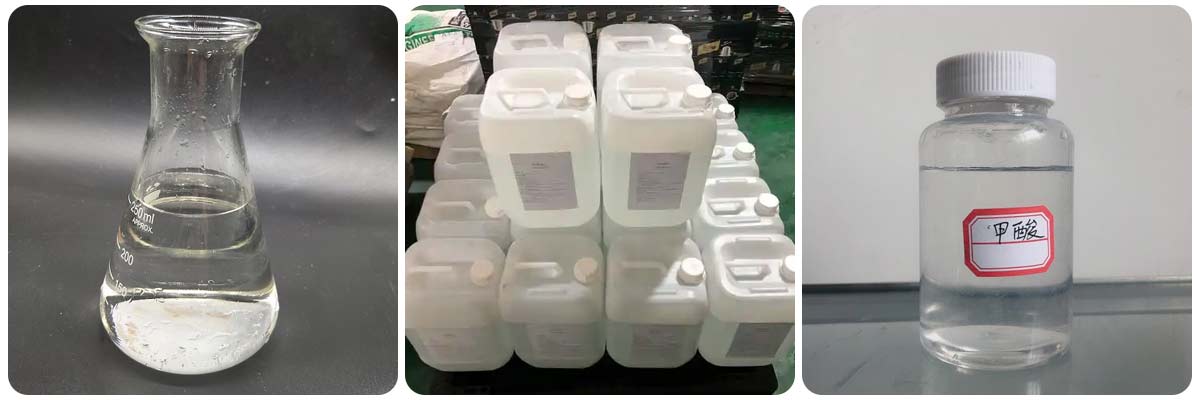
Formic acid is the simplest carboxylic acid in structure. It is commonly known as "ant acid". At room temperature, it is a colorless, highly irritating-smelling fuming liquid. It is soluble in water, alcohols, ethers and other solvents, and exhibits active chemical properties such as acidity and reducibility.
Basic Information: Molecular formula CH₂O₂ (HCOOH), Molecular weight 46.03.
Physical properties data: Melting point 8.2 - 8.4 °C, boiling point 100.5 - 100.8 °C. Density 1.22 - 1.23 g/cm³ (water = 1), can be miscible with water and most polar solvents at will.
Hazard: This substance is classified as a flammable liquid (with a flash point of 50°C) and is highly corrosive. The vapor and air mixture can form an explosive compound. It is prone to combustion and explosion upon contact with open flames or high heat.
Heart advantages and characteristics
The structure is the simplest and the reactivity is high: As the simplest carboxylic acid, formic acid possesses both the structural characteristics of an aldehyde group and a carboxyl group. Therefore, it not only exhibits acidity but also has unique reducibility, and can participate in various chemical reactions.
The acidity is moderate and it can be naturally decomposed: The acidity is stronger than that of common carboxylic acids (such as acetic acid), but it can be biodegraded in the environment and is relatively environmentally friendly.
Natural origin and high-purity production: Widely present in nature (such as bee and ant venom), and industrially, highly pure products with up to 98% or even >98% (HPLC) purity can be produced to meet the needs of medicine and scientific research.
Main application fields
Industrial and Chemical Synthesis
Basic raw materials: These are the basic chemicals for synthesizing downstream products such as formate salts (such as sodium formate, calcium formate) and formate esters.
Industrial additives: They are used as key additives or pH regulators in leather tanning, textile printing and dyeing, rubber curing, and electroplating processes.
Medicine and pesticides
Pharmaceutical synthesis: As a reducing agent or formylating reagent, it is used in the synthesis of raw materials such as vitamins, caffeine, and paracetamol.
Agricultural field: It is used as an antibacterial agent in acidic pastures, and is also an intermediate for synthesizing various insecticides and fungicides.
Laboratory and Analytical Sciences
Chromatographic analysis: It is a commonly used volatile mobile phase additive in high-performance liquid chromatography (HPLC) and mass spectrometry (MS), capable of improving peak shape and enhancing ionization efficiency. It is particularly suitable for proteomics analysis.
General reagents: Used as solvents in organic synthesis, catalysts, as well as reagents for detecting metal ions and determining molecular weight.
Safety and Storage
Formic acid is corrosive and irritating. During operation, protective gloves, goggles and protective clothing should be worn. The process should be carried out in a fume hood to avoid inhalation of vapors.
If the skin or eyes come into contact with it, immediately rinse with plenty of water for at least 15 minutes and seek medical attention promptly.
When not in use, it should be stored in a sealed manner in a cool and ventilated place, away from fire sources and oxidants.
Message mailbox
Every interaction counts!
Thank you for your interest in Pearl Electric.
We welcome all enquiries from customers and clients.
If you have questions about our products or services or general enquiries, please reach out to us via the contact form provided. We will respond to your query as soon as possible.
You may also follow and reach out to us on our social media pages.
