Welcome to Linhua Chemical Co.,Ltd.

Share:


Product Details
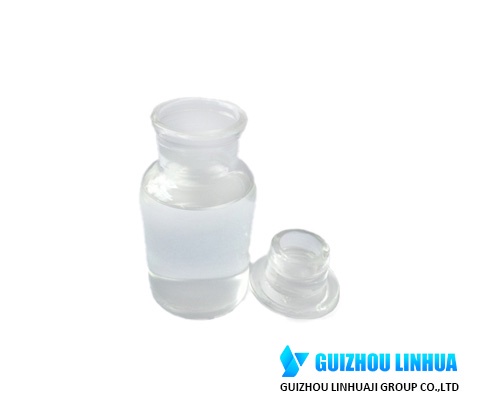
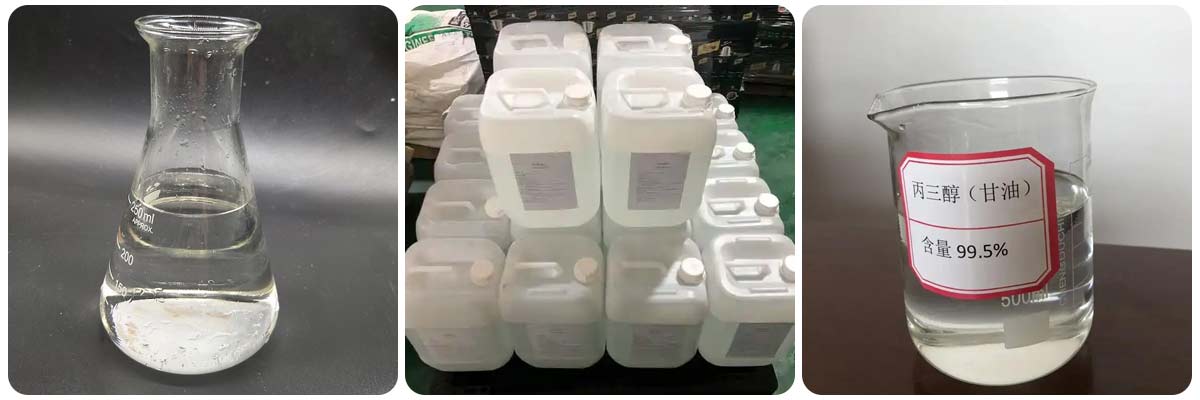
Glycerol, chemically known as 1,2,3-propanetriol, is one of the most widely used polyols at present. At room temperature, it appears as a colorless, clear, viscous liquid without odor and with a distinctive sweet taste. Glycerol has extremely strong hygroscopicity, being able to absorb moisture from the air. This property makes it play an important role in the field of moisturization. It is mild in nature and has little irritation to human skin, even existing in the keratin layer of human skin and is hailed as a natural endogenous moisturizer.
Physical and chemical parameters
Advantages and Characteristics
Outstanding moisturizing and hygroscopic properties
The glycerol molecule structure contains three hydroxyl groups, which can firmly lock in moisture through hydrogen bonds and can absorb up to twice its own weight in moisture. It can effectively replenish the moisture in the stratum corneum, maintaining the health of the skin, and is a highly cost-effective small molecule moisturizer.
Excellent solubility and compatibility
As an excellent solvent and cosolvent, glycerol can be miscible with water and ethanol in any proportion. This property enables it to dissolve a wide range of drugs, fragrances, and pigments, and is commonly used in pharmaceutical preparations and food additives.
High chemical stability
Under normal storage conditions, glycerol is stable in nature. Although it is flammable, it does not deteriorate easily in a sealed, cool and dry environment. Moreover, it is non-toxic to the human body and has an extremely low acute toxicity (LD50: 31500 mg/kg orally administered to rats), making it highly safe.
Main purpose
Medicine and Personal Care
In the field of medicine, glycerol is the main component of suppositories. It lubricates the intestines with its high osmotic pressure and stimulates the defecation reflex, and is used to treat constipation. At the same time, high-concentration glycerol can be taken orally or injected to lower intracranial pressure and intraocular pressure. In the cosmetics industry, it serves as a moisturizer and softener for ointments, toothpaste, shampoos, etc., preventing skin from cracking.
Food Industry
Glycerol is used as a multifunctional additive in food processing, mainly functioning as a moisture-retaining agent (preventing bread and cakes from drying out), a carrier solvent (used for flavors and colors), and a sweetener (with a sweetness approximately 0.6 times that of sugar and lower in calories).
Industrial Manufacturing
It is the basic raw material for many chemical products. It is used in the production of polyurethane, alkyd resins (paints), and polyesters. It is used as an antifreeze agent in antifreeze solutions; in the tobacco industry, it is used as a moisture-retaining agent and anti-drying agent to prevent the tobacco leaves from becoming brittle.
Laboratory Application
In analytical chemistry, glycerol is often used as a stationary liquid in gas chromatography, for the separation of low-boiling-point oxygen-containing compounds and amine compounds.
Message mailbox
Every interaction counts!
Thank you for your interest in Pearl Electric.
We welcome all enquiries from customers and clients.
If you have questions about our products or services or general enquiries, please reach out to us via the contact form provided. We will respond to your query as soon as possible.
You may also follow and reach out to us on our social media pages.
