Welcome to Linhua Chemical Co.,Ltd.

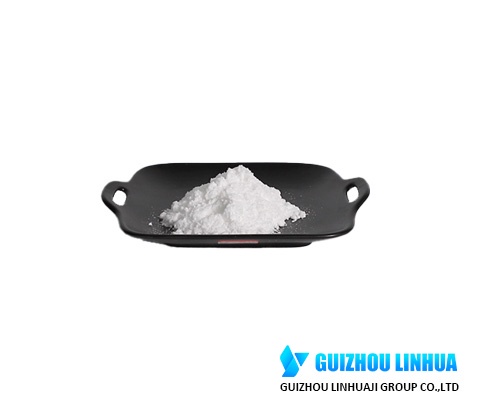
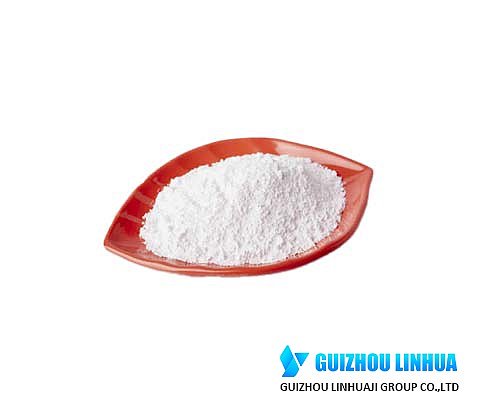
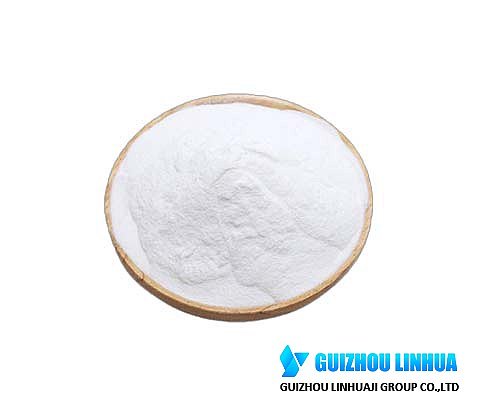
It is a white to pale yellow crystalline powder, belonging to the pyranone class of compounds. As the internationally recognized safe and effective tyrosinase inhibitor, kojic acid is one of the "gold standard" ingredients in cosmetic whitening agents, and is also widely used in food preservation and the medical field.
Share:


Product Details
Kojic Acid is a natural metabolite produced by aerobic microorganisms such as Aspergillus oryzae and Aspergillus niger through fermentation. It is commonly found in traditional fermented foods in Japan, such as soy sauce and rice wine.
It is a white to pale yellow crystalline powder, belonging to the pyranone class of compounds. As the internationally recognized safe and effective tyrosinase inhibitor, kojic acid is one of the "gold standard" ingredients in cosmetic whitening agents, and is also widely used in food preservation and the medical field.
CAS Number: 501-30-4
Molecular formula: C₆H₆O₄
Molecular weight: 142.1
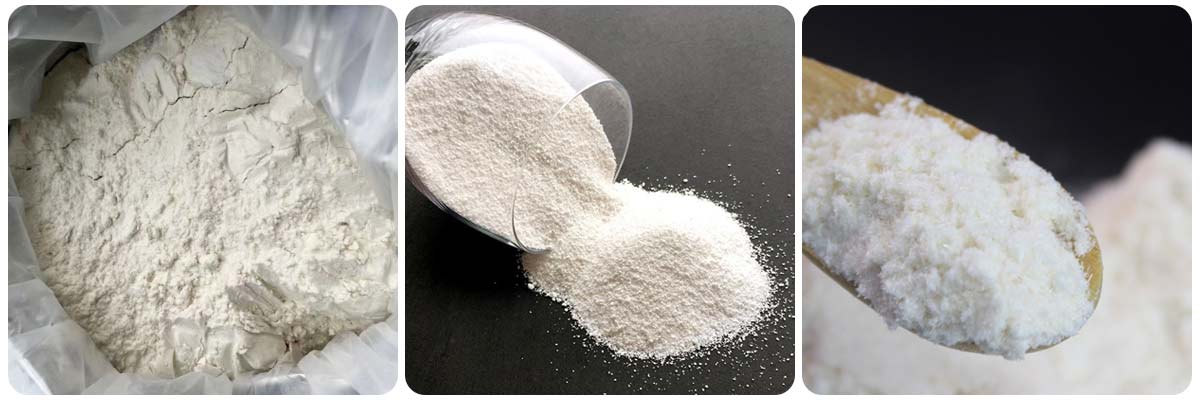
Physical and chemical parameters
Advantageous features
Compared with traditional cosmetics and food additives, curcumin has the following significant advantages:
1. Efficient whitening and complexation ability
Chlorogenic acid can competitively bind to the copper ions in the active center of tyrosinase, thereby blocking the synthesis pathway of melanin. Its inhibitory effect on tyrosinase is much stronger than that of traditional materials (such as ascorbic acid), even better than some synthetic whitening agents, and it is non-irritating to the skin.
2. Broad-spectrum antibacterial and antiseptic properties
It possesses strong antibacterial capabilities and can effectively inhibit various bacteria and fungi. Compared with traditional preservatives such as sorbic acid and benzoic acid, tartaric acid is not affected by pH value and maintains stable antibacterial activity within a wide range of acidity and alkalinity, and is not utilized by bacteria.
3. Dual Antioxidation
The phenolic hydroxyl groups in the curcumin structure enable it to capture free radicals and exert antioxidant effects, helping to delay skin aging and prevent the oxidation of food oils.
4. Natural Origin and Safety
As a product of microbial fermentation, it is a natural component. Although the World Health Organization (WHO) classified it as a category 3 carcinogen (meaning the carcinogenicity to humans is not yet clear and there is insufficient evidence), under the regulated dosage (cosmetics typically limit the use to 0.5% - 2.0%, and food allows for appropriate addition), it is considered safe.
Main purpose
Cosmetics Industry - Core Applications
Whitening and Reducing Pigmentation: Added to serums, creams, masks, and toners, it targets sunspots, age spots, and acne scars. It penetrates the skin to inhibit melanin production, achieving the effects of lightening the skin tone and reducing pigmentation.
Auxiliary anti-corrosion: By leveraging its antibacterial properties, it helps reduce the usage of traditional chemical preservatives.
Food Industry - New Preservation Agents
Natural Preservation: By leveraging its antibacterial properties, it helps reduce the usage of traditional chemical preservatives.
Color protection and preservation: In the processing of aquatic products such as shrimp and crabs, curcumin can effectively prevent browning (caused by polyphenol oxidation) and maintain bright color; it also has the effect of inhibiting enzymatic browning in the preservation of sliced fruits.
Flavor improvement: As an intermediate raw material for the production of maltol and ethyl maltol (food flavor enhancers), it can enhance the aroma of food.
Pharmaceuticals and Industry
Pharmaceutical intermediates: Used for synthesizing drugs such as cephalosporin antibiotics.
Analytical reagent: Since it can undergo a color reaction with ferric ions (Fe³⁺), chlorogenic acid is used as an analytical reagent for iron.

Storage and Usage Instructions
Store in a dark place: As curcumin is sensitive to light and heat, cosmetics containing this ingredient are recommended to be used as soon as they are opened and should be avoided from exposure to high temperatures and direct sunlight.
It may change color easily after opening: When high-concentration curic acid raw materials or solutions come into contact with air, they may gradually change from white to light yellow or brownish color. This is usually due to oxidation.
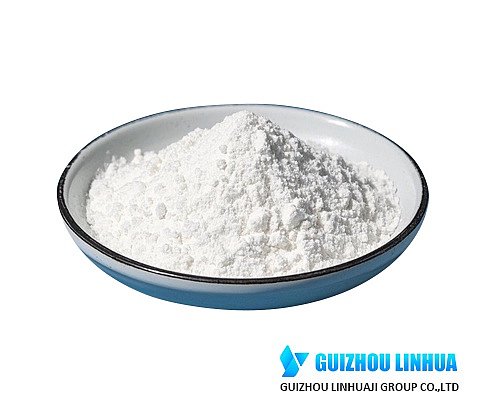
Message mailbox
Every interaction counts!
Thank you for your interest in Pearl Electric.
We welcome all enquiries from customers and clients.
If you have questions about our products or services or general enquiries, please reach out to us via the contact form provided. We will respond to your query as soon as possible.
You may also follow and reach out to us on our social media pages.
