Welcome to Linhua Chemical Co.,Ltd.

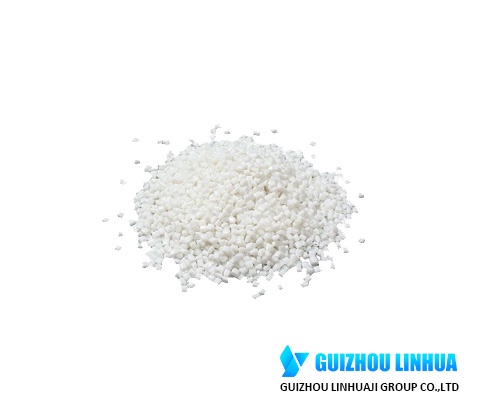
Depending on the degree of refinement, paraffin wax is mainly divided into crude paraffin wax (with a higher oil content), semi-refined paraffin wax (white paraffin wax), and fully refined paraffin wax (pure white paraffin wax). Additionally, according to the melting point, common specifications include 52#, 54#, 56#, 58#, and 60#.
Share:


Product Details
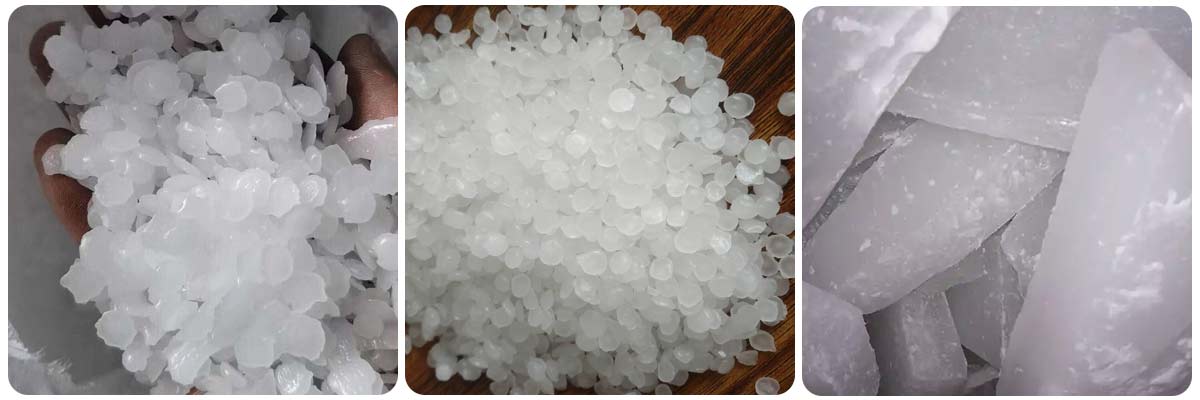
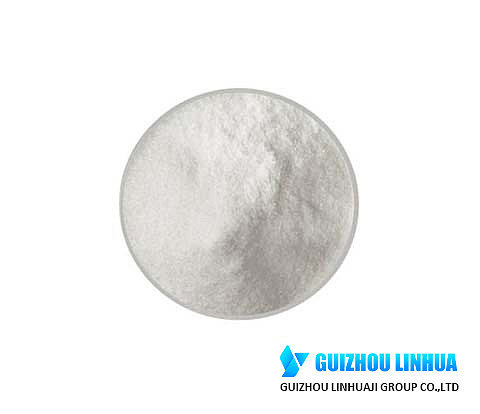
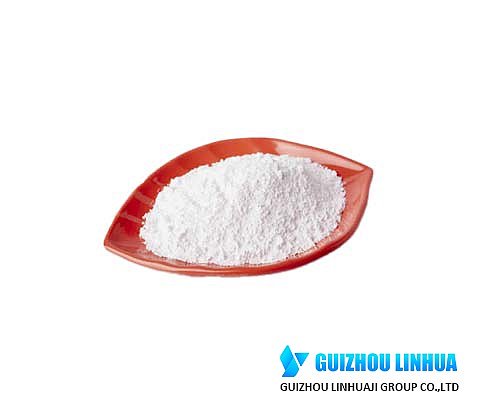
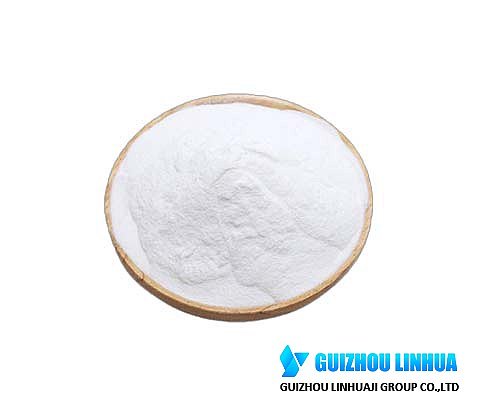
Paraffin Wax is a solid hydrocarbon mixture extracted from the distillates of petroleum, shale oil, or other bituminous mineral oils. At room temperature, it typically appears as a white or colorless semi-transparent waxy solid, with almost no odor and a slippery feel.
Depending on the degree of refinement, paraffin wax is mainly divided into crude paraffin wax (with a higher oil content), semi-refined paraffin wax (white paraffin wax), and fully refined paraffin wax (pure white paraffin wax). Additionally, according to the melting point, common specifications include 52#, 54#, 56#, 58#, and 60#.
CAS Number: 8002-74-2 1
EINECS Number: 232-315-6 Molecular formula: Usually expressed as CnH2n+2 (where n is typically 22-36; some sources also indicate it as 24-36)
Molecular weight: Usually ranging from 360 to 540 (depending on the length of the carbon chain)
Alternative names: White paraffin wax, microcrystalline wax, petroleum wax, hydrocarbon wax
Physical and chemical parameters
Characteristics and Advantages
The reason why paraffin wax is widely used in industries, medicine and daily products is mainly due to the following characteristics:
Excellent chemical inertness: It remains stable at normal temperatures and is not easily corroded by acids or bases, nor does it react with oxygen. This property enables it to effectively isolate corrosive substances in the environment when used as a packaging material or protective coating.
Good thermoplasticity and latent heat of phase transition: When wax melts, it absorbs a large amount of heat, and the volume change during the solid-liquid phase transition is small, with no overcooling phenomenon. This makes it not only an excellent phase change energy storage material (used in temperature control fields), but also easy to be molded after melting (used in the production of candles and crayons).
Waterproofing, moisture resistance and insulation: Due to its extremely strong hydrophobic property, the paraffin coating can effectively prevent water vapor from penetrating. At the same time, it has a high resistivity and is an excellent electrical insulator, often used in the encapsulation of electronic components.
Lubricity and film-forming property: It can reduce the friction coefficient between substances, giving a smooth touch to the surface; at the same time, it can form a dense protective film on the solid surface.
Main purpose
The uses of paraffin wax vary depending on its purity (degree of refinement) and melting point, as shown in the following table:
Safety and Storage
Safety: Generally speaking, food-grade and pharmaceutical-grade paraffin wax are considered non-toxic. However, industrial-grade crude paraffin wax may contain trace amounts of aromatic hydrocarbons and other impurities, and direct contact with food or long-term intake should be avoided. During operation, avoid inhaling the vapors produced by high-temperature heating.
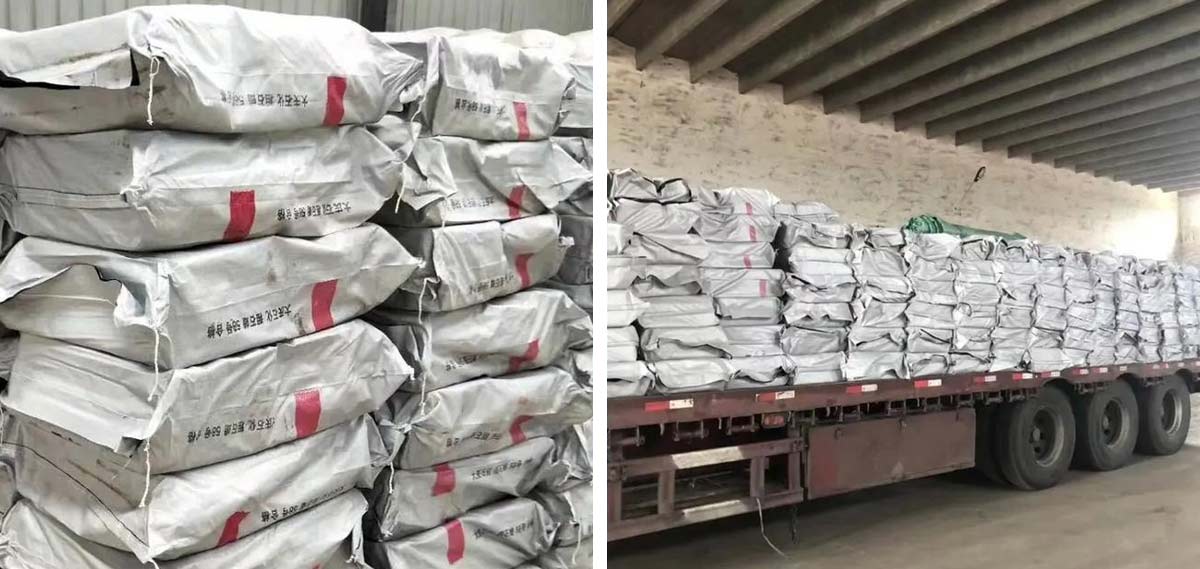
Storage conditions: It should be stored in a cool, well-ventilated warehouse, kept away from fire sources and heat sources, and protected from direct sunlight (to prevent yellowing caused by ultraviolet rays), and stored separately from oxidants.
Message mailbox
Every interaction counts!
Thank you for your interest in Pearl Electric.
We welcome all enquiries from customers and clients.
If you have questions about our products or services or general enquiries, please reach out to us via the contact form provided. We will respond to your query as soon as possible.
You may also follow and reach out to us on our social media pages.
