Welcome to Linhua Chemical Co.,Ltd.



Product Details
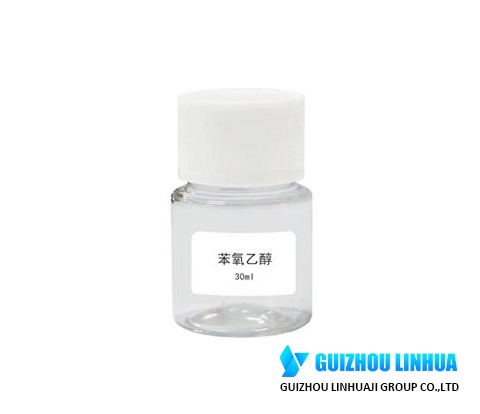
Phenoxyethanol is an organic compound. At room temperature, it is a colorless, slightly viscous oily liquid with a mild aromatic odor.
CAS Number: 122-99-6
Molecular formula: C₈H₁₀O₂
Molecular weight: 138.2 g/mol.
Alternative names: Ethylene glycol phenyl ether, 2-Phenyl oxyethanol, Phenyl fiber disintegrant.
Development Overview: It is a typical high-boiling-point, low-volatility organic solvent. Since the 1970s, it has been widely used in the industrial sector in Europe and America. Due to its low toxicity and high efficiency, it has become one of the most mainstream preservatives in modern personal care products.
Physical and chemical parameters
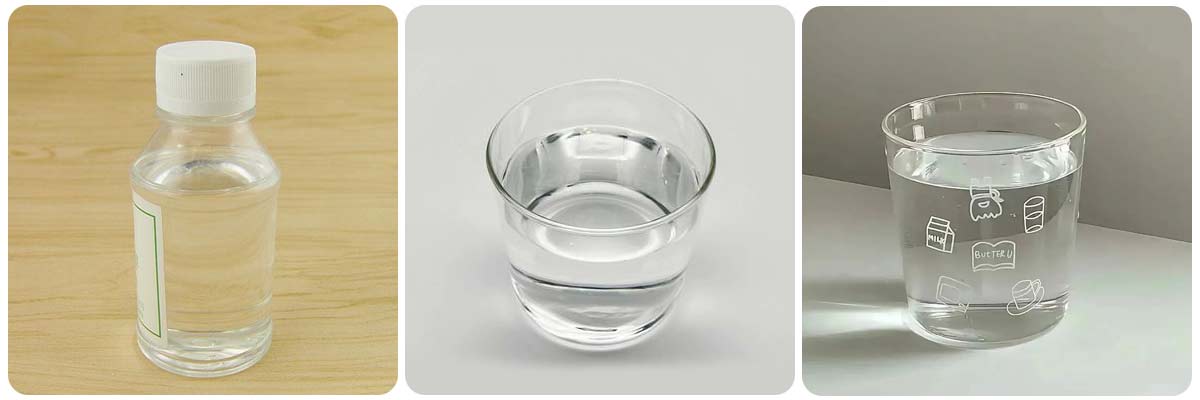
Physical state: Colorless and transparent liquid. It will solidify into a white solid at low temperatures (usually below 13℃).
Boiling point: 245℃.
Melting point: 11℃ - 14℃ (slightly varies depending on purity).
Flash point: 126℃ - 128℃ (It is a flammable liquid, but not highly flammable.)
Density: Approximately 1.11 g/cm³ (at 20℃), slightly denser than water.
Solubility: Slightly soluble in water (about 2.7 g/100ml), but can be easily mixed with organic solvents such as acetone, ethanol, glycerol, and oils.
Partition coefficient: log P = 1.2 (moderate hydrophobicity, conducive to penetrating the skin or dissolving oily substances).
Advantages and Characteristics
Low toxicity: Compared to many other organic solvents, phenylethanol is a relatively non-toxic substance (LD50 for rats via oral route > 3000 mg/kg). It is a safe alternative to highly toxic preservatives such as sodium azide.
Broad-spectrum antibacterial property: It has inhibitory effects on bacteria, especially for Pseudomonas aeruginosa (Pseudomonas bacteria). Although its effect is slightly weaker on some Gram-negative and Gram-positive bacteria, it is often used in combination with quaternary ammonium salts and other substances to enhance the efficacy.
Stability: Exhibits stability under both acidic and alkaline conditions, facilitating the design of the formulation.
High solubility and permeability: It is not only an excellent "universal solvent" that can dissolve various resins (such as acrylic resin, epoxy resin), but also a permeation aid that promotes the entry of other active ingredients into the matrix.
Sensory characteristics: It has a faint rose fragrance and can be used as a fixative for perfumes.
Main purpose
Cosmetics and Personal Care
When used as a preservative, it is the mainstream choice for "no paraben" formulations. The typical usage amount is no more than 1.0%, and it is commonly found in skin care products, shampoos, sunscreens, and baby care products.
Pharmaceutical field
Disinfectant: A 2% benzoyl alcohol solution or cream is used to treat skin infections, burns and abscesses caused by Pseudomonas aeruginosa.
Vaccine adjuvant: Listed by the US CDC as one of the components of various vaccines, it is used for inactivating viruses or preventing bacterial contamination.
Industrial solvent
Due to its high boiling point and low volatility, it is called the "universal solvent". It is commonly used in the manufacturing of ballpoint pen ink, printing plate ink, textile dyes, paint thinners, and photosensitive materials.
Other applications
Aquaculture: Used as an anesthetic for fish, facilitating transportation and handling.
Spices and insect repellents: As a fixative or insect repellent component in perfumes.
Regulatory Restrictions and Safety
Regulatory Standards:
Cosmetics: In regulations of most countries such as China, the European Union, and Japan, the maximum allowable concentration of benzoyl ethyl alcohol in long-lasting cosmetics is 1.0%.
Occupational exposure: Some countries have set workplace air exposure limits at 1 ppm (approximately 5.7 mg/m³).
Health impact:
Stimulation: It is irritating to the skin and eyes. Excessive contact at high concentrations may cause redness and pain.
Neurotoxicity: Exposure to extremely high doses may affect the central nervous system. It is generally safe to use within the regulatory limits.
First aid measures: If it accidentally enters the eyes, immediately rinse with plenty of water; after skin contact, it is recommended to wash with soap and water.
Storage and Operation
Stability: Not compatible with strong oxidants. Avoid contact.
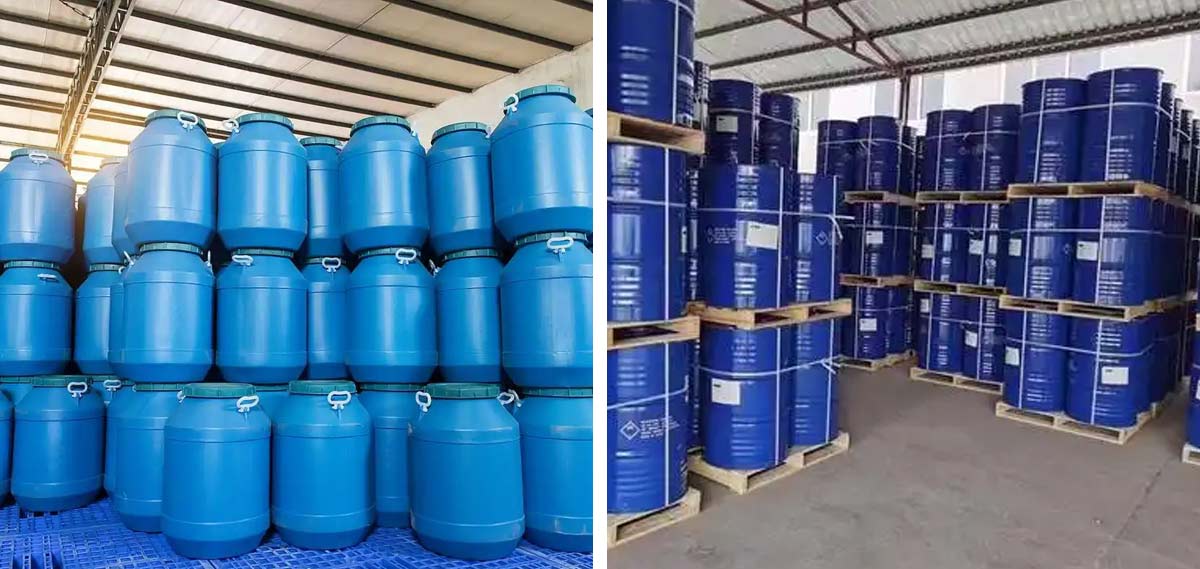
Packaging and Storage: Usually, the product is sealed in glass, plastic or stainless steel containers and stored in a cool, ventilated and dry place. After solidification at low temperatures, it can be slowly thawed at room temperature without affecting its usage effect.
Message mailbox
Every interaction counts!
Thank you for your interest in Pearl Electric.
We welcome all enquiries from customers and clients.
If you have questions about our products or services or general enquiries, please reach out to us via the contact form provided. We will respond to your query as soon as possible.
You may also follow and reach out to us on our social media pages.
