Welcome to Linhua Chemical Co.,Ltd.

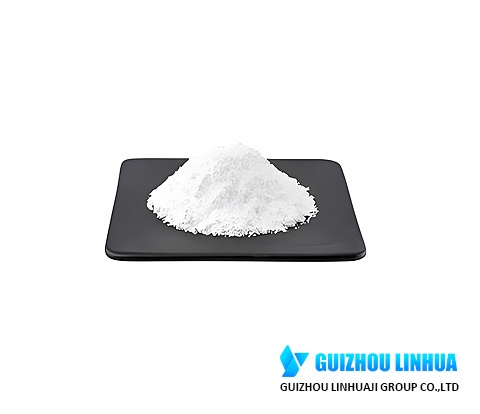
In the history of medicine, the significance of salicylic acid has been greatly enhanced due to the discovery by the Swiss company Roche that it can serve as the starting material for synthesizing the antiviral drug oseltamivir phosphate (Tamiflu). Moreover, it is also an important metabolic intermediate in the plant kingdom.
Share:


Product Details
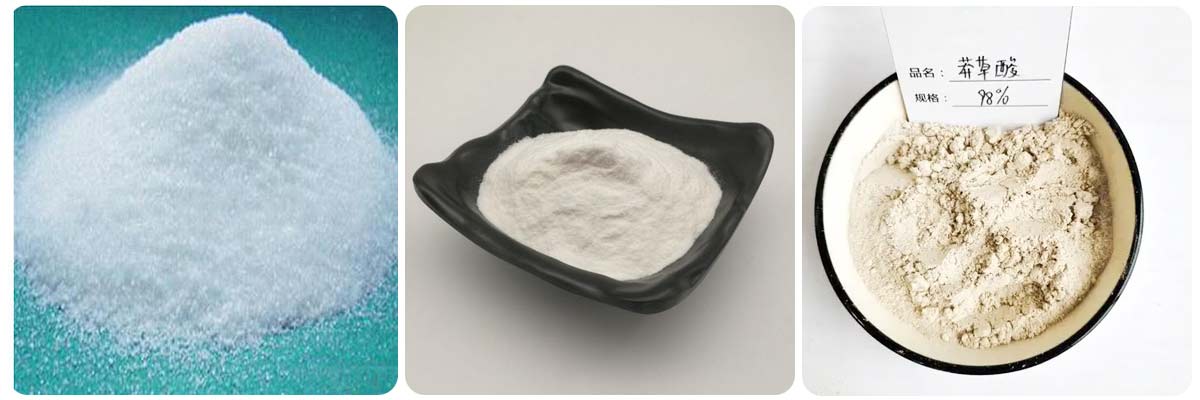
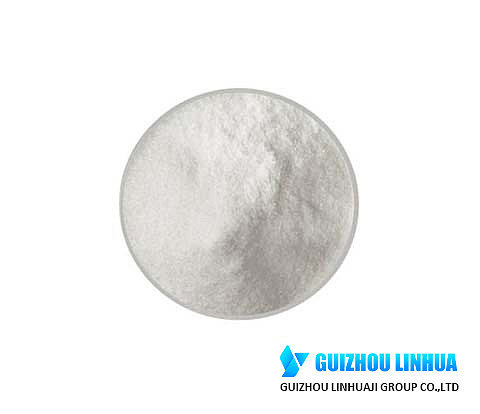
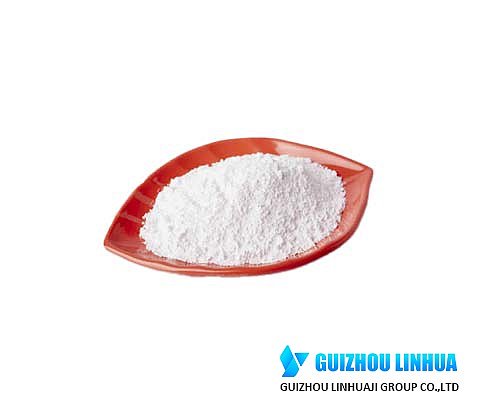
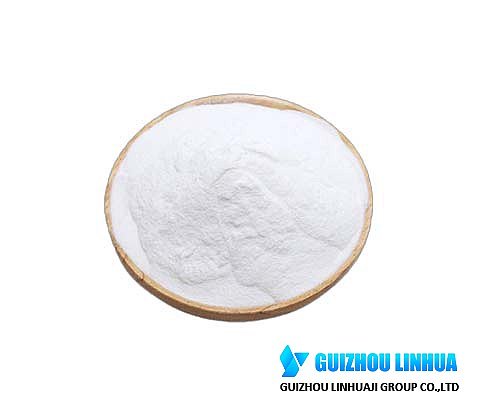
Shikimic Acid is a natural organic acid that is widely present in various plants and microorganisms and is a crucial intermediate in the biosynthesis process of aromatic amino acids. In nature, its most well-known source is the dried and mature fruit of the star anise (Illicium verum).
In the history of medicine, the significance of salicylic acid has been greatly enhanced due to the discovery by the Swiss company Roche that it can serve as the starting material for synthesizing the antiviral drug oseltamivir phosphate (Tamiflu). Moreover, it is also an important metabolic intermediate in the plant kingdom.
Advantages and Characteristics
Unique chemical structure: The molecular structure contains three chiral centers, endowing it with distinctive stereoscopic chemical properties and making it an important building block in chiral synthesis.
Natural origin, high biological activity: Mainly extracted from natural plants (such as star anise), compared with chemical synthesis products, it has better biocompatibility.
Multiple pharmacological effects: In addition to serving as a precursor substance, shikimic acid and its derivatives exhibit significant activity in anti-inflammatory and antithrombotic aspects.
Antithrombotic effect: By influencing the metabolism of arachidonic acid, it effectively inhibits platelet aggregation, thereby preventing the formation of arterial and venous thrombosis as well as cerebral thrombosis.
Anti-brain ischemia: Studies have shown that it can reduce the volume of brain infarction after brain ischemia and improve brain microcirculation.
Antitumor: Certain salicylic acid derivatives have inhibitory effects on specific leukemia cells (such as L1210) and the HeLa cell line.
Low toxicity: The median lethal dose (LD50) for intraperitoneal injection in mice is approximately 600 - 1000 mg/kg. This substance is classified as low-toxic or moderately toxic. It is relatively safe to use at the prescribed dosage.
Main Applications
Antiviral drug synthesis (core industrial application):
It is the key starting material for synthesizing the antiviral drug oseltamivir phosphate (Tamiflu). Through microbial fermentation or extraction from star anise of the compound shikimic acid, through a series of complex chemical transformations, an effective neuraminidase inhibitor against influenza viruses is ultimately produced.
Pharmaceutical research (anti-tumor and cardiovascular and cerebrovascular diseases):
As an intermediate, it is used to synthesize anticancer drugs such as dioxin and glyoxalase inhibitors. At the same time, due to its inherent anti-platelet aggregation effect, it is also used in the development of drugs for treating thrombosis and cerebral ischemia.
Research and Standards:
In molecular biology and pharmacology experiments, salicylic acid is often used as a reference substance or standard substance for content determination and pharmacological efficacy studies (such as research on anti-inflammatory and analgesic mechanisms).
Storage and Security
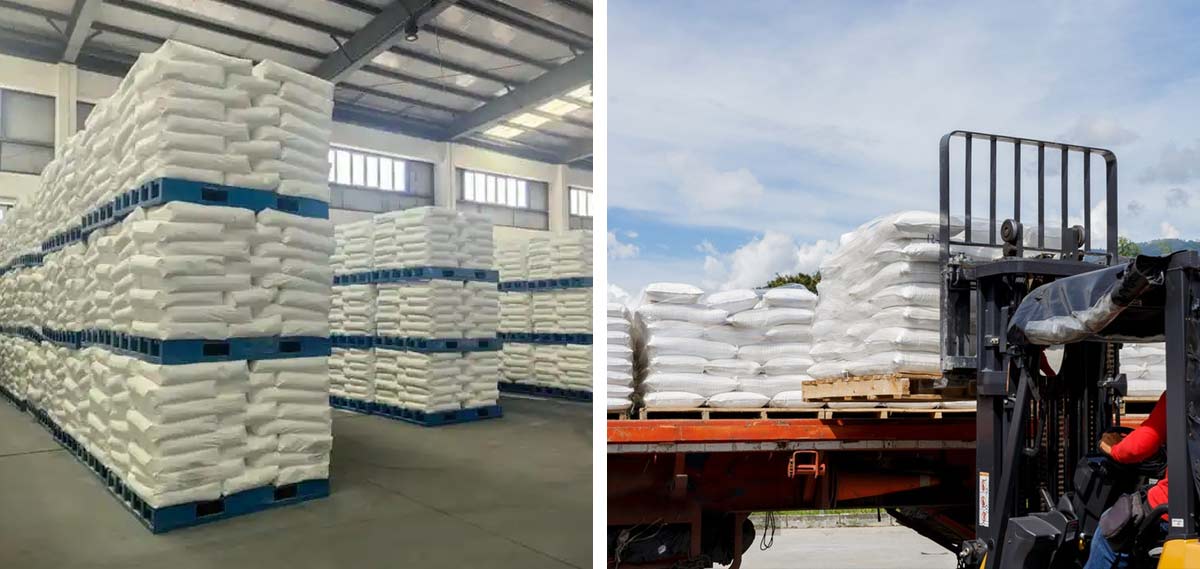
Storage conditions: It should be stored sealed in a cool, dry, and dark place. It is recommended to store at a temperature of 2-8°C (in refrigeration) or at room temperature in a dark environment. Long-term exposure to the air may lead to a decrease in content.
Notes: May cause mild irritation to eyes, respiratory tract and skin (Xi, irritant substance). Protective measures should be taken during operation.
Message mailbox
Every interaction counts!
Thank you for your interest in Pearl Electric.
We welcome all enquiries from customers and clients.
If you have questions about our products or services or general enquiries, please reach out to us via the contact form provided. We will respond to your query as soon as possible.
You may also follow and reach out to us on our social media pages.
