Welcome to Linhua Chemical Co.,Ltd.

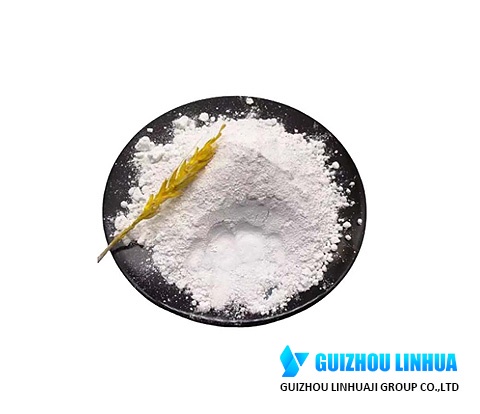
In the industrial field, in addition to the traditional pigment-grade products produced by the sulfuric acid method and the chlorination method, there are also titanium dioxide produced by the gas-phase method (tetrachloro titanium hydrogen flame combustion method). This gas-phase titanium dioxide or nano-titanium dioxide has extremely small particle sizes (about 20-30 nanometers), possesses a huge specific surface area and special optical properties.
Share:


Product Details
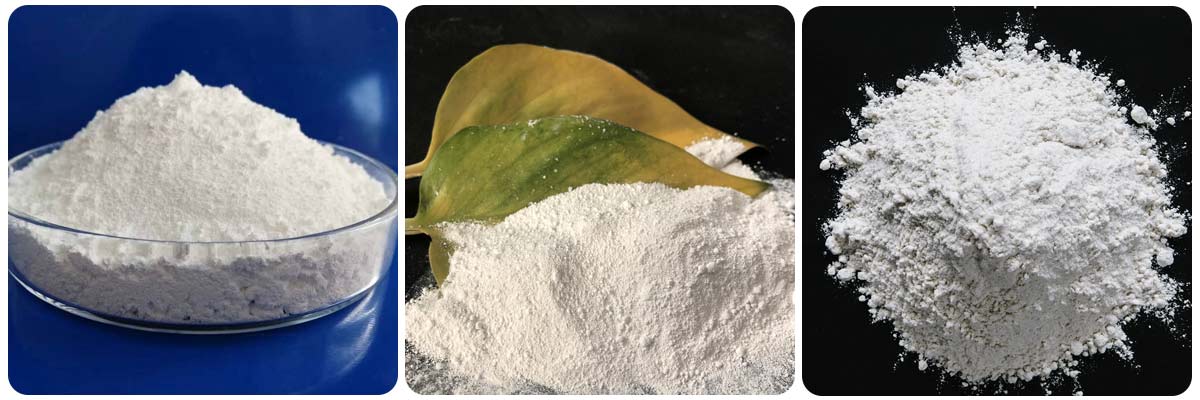
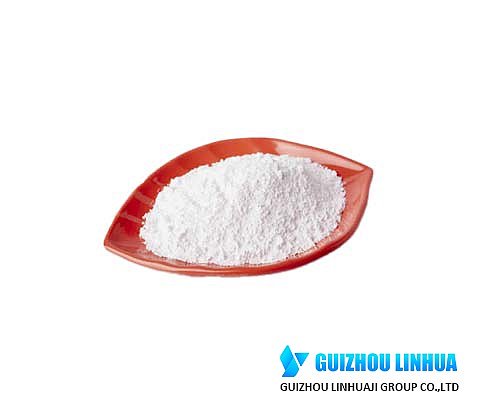
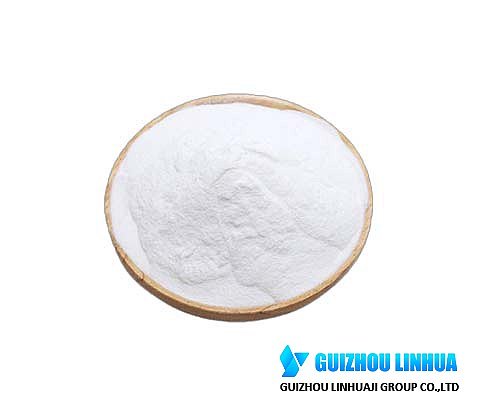
Titanium(IV) oxide (Titanium Dioxide), commonly known as titanium white powder or titanium anhydride, has the chemical formula TiO₂ and the CAS number 13463-67-7. It is a white amorphous powder without odor or toxicity and is one of the most commonly used white pigments in the world. In nature, titanium oxide mainly exists in three crystalline forms: anatase, rutile, and brookite. Among them, rutile is the most stable and widely used, while anatase has attracted attention due to its unique photocatalytic activity.
In the industrial field, in addition to the traditional pigment-grade products produced by the sulfuric acid method and the chlorination method, there are also titanium dioxide produced by the gas-phase method (tetrachloro titanium hydrogen flame combustion method). This gas-phase titanium dioxide or nano-titanium dioxide has extremely small particle sizes (about 20-30 nanometers), possesses a huge specific surface area and special optical properties.
Key parameters
Advantages and Characteristics
Titanium oxide (IV) exhibits outstanding performance in multiple aspects due to its unique physical and chemical properties:
Super-strong ultraviolet shielding and high transparency: The nanoparticle size of titanium oxide is much smaller than the wavelength of visible light, resulting in almost no scattering of visible light. Therefore, when dispersed in the medium, it appears transparent or semi-transparent. At the same time, it has extremely strong absorption and reflection capabilities for ultraviolet rays (UVA and UVB), which can effectively protect against ultraviolet rays without affecting the appearance of the product.
Outstanding photocatalytic activity (anatase and mixed crystal form): When anatase titanium dioxide is exposed to ultraviolet light (wavelength < 400nm), it can generate electron-hole pairs, which in turn produce highly oxidizing free radicals (such as hydroxyl radical ·OH). These free radicals can selectively decompose organic pollutants, bacteria, and viruses, converting them into CO₂ and H₂O, achieving self-cleaning and purification functions. The mixed crystal structure (such as 80% anatase + 20% rutile) can effectively inhibit electron-hole pair recombination and enhance catalytic efficiency.
Excellent opacity and whiteness: As the "king of pigments", titanium oxide has an extremely high refractive index (up to 2.7 for rutile type), enabling it to efficiently scatter visible light, providing extremely high covering power and whiteness. It is an indispensable white pigment in industries such as coatings, plastics, and papermaking.
High purity and chemical stability: The purity of the vapor-phase method or high-purity nano products can reach over 99.5%. Apart from reacting with concentrated sulfuric acid and hydrofluoric acid, titanium oxide is stable against most chemical substances and does not participate in chemical reactions. It has extremely strong weather resistance.
Non-dispersibility and safety: Nano titanium dioxide does not decompose or dissolve during the photocatalytic process and maintains its effect for a long time. It is widely used in cosmetics (such as sunscreen) and food additives (subject to relevant regulations), but is considered safe under non-inhalation usage conditions.
Main purpose
The applications of titanium(IV) span from traditional chemical industries to cutting-edge high-tech fields, mainly including:
Coatings and Paints: As a white pigment, they offer high coverage, whiteness, and weather resistance. Nanoscale products are used in self-cleaning exterior coatings, utilizing photocatalysis to break down dirt while enhancing resistance to aging and scrubbing.
Cosmetics and Personal Care: As a physical sunscreen agent (with the maximum allowable usage concentration typically being 25%), it is widely added to sunscreen lotions, tinted moisturizers, and BB creams. Its nano-sized particles have high transparency and do not turn white, providing safe broad-spectrum UV protection.
Environmental purification (photocatalysis):
Air purification: Used for the filter of air purifiers, photocatalyst sprays, to degrade formaldehyde, benzene, VOCs, etc., and effectively kill bacteria.
Wastewater treatment: Degradation of organic pollutants in wastewater from industries such as dyeing, papermaking, and pesticide production.
Self-cleaning glass and ceramics: Glass and tiles coated with titanium oxide films have the functions of anti-fogging, easy cleaning and antibacterial properties.
Plastics and rubber: Enhance the anti-aging and anti-cracking properties of plastics (such as PVC) and rubber products, increase their mechanical strength, and extend their outdoor service life.
New Energy Field:
Lithium batteries: As functional additives or negative electrode materials, by leveraging their characteristics of high lithium storage capacity and good stability, the electrochemical performance and cycle stability of the batteries can be improved.
Solar cells: As the photoelectric conversion material for dye-sensitized solar cells (DSSC).
Papermaking and Ink: Used as fillers for high-grade paper to enhance the opacity, smoothness and printing properties of the paper; Special inks contain additives to improve adhesion and weather resistance.
Other industrial applications: as a heat stabilizer for silicone rubber, a special coating material for the aerospace industry, and an additive in food contact materials.
Message mailbox
Every interaction counts!
Thank you for your interest in Pearl Electric.
We welcome all enquiries from customers and clients.
If you have questions about our products or services or general enquiries, please reach out to us via the contact form provided. We will respond to your query as soon as possible.
You may also follow and reach out to us on our social media pages.
